
Lime Treatments for Balanced Soil pH
Charlotte’s Piedmont clay is naturally acidic, which prevents your lawn from absorbing the nutrients it needs. Lime treatments correct soil pH, unlocking fertilizer effectiveness and giving your grass the foundation for healthier, greener growth.
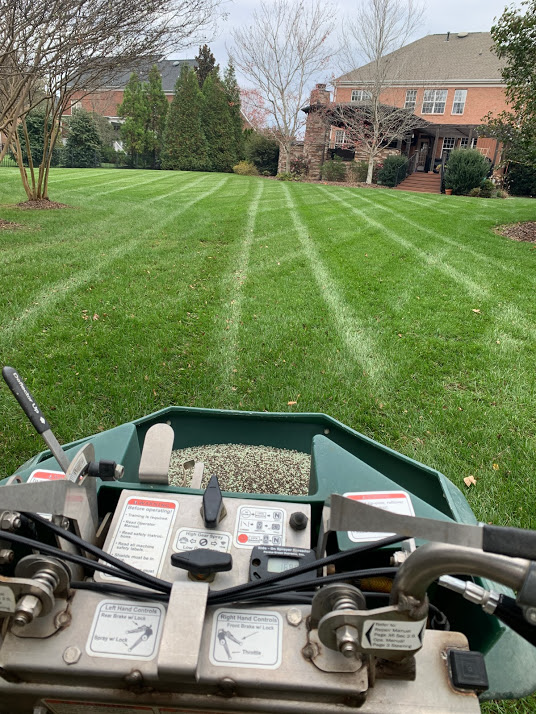
Why Your Lawn Struggles Despite Fertilizer
When soil pH drops below 6.0, nutrients become chemically locked in the soil where grass roots cannot absorb them. You can apply all the fertilizer you want, but acidic soil means most of it goes to waste.
Grass stays yellow-green despite regular fertilization
Thin, weak turf that struggles to crowd out weeds
Moss and algae growing in shaded or damp areas
Poor response to lawn care treatments
Soil tests showing pH below 6.0
Unlock Your Lawn’s Full Potential
Lime applications raise soil pH back to the optimal range (6.0-7.0) where grass roots can access all available nutrients. The result is a lawn that finally responds to fertilization the way it should—with vibrant color and vigorous growth.
Soil pH testing to determine exact lime requirements
Calcitic or dolomitic lime matched to your soil needs
Professional application for even, effective coverage
Improved nutrient uptake from every fertilizer application
Healthier soil biology that supports strong root growth
Pair With These Services for Best Results
Lime treatments work best as part of a complete lawn care approach. These complementary services maximize your results.
How FineTurf Works
Getting your soil pH corrected is straightforward with our science-based approach.
1
Test Your Soil
We analyze your soil pH and nutrient levels to determine exactly how much lime your lawn needs—no guessing.
2
Apply Lime Treatment
We apply the right type and amount of lime evenly across your lawn for consistent pH correction.
3
See the Difference
Over the following weeks, watch your lawn respond better to fertilization with improved color and density.
Lime Treatment Questions Answered
Why does Charlotte soil need lime?
How often should I apply lime to my lawn?
When is the best time to apply lime?
How long does it take for lime to work?
What is the difference between calcitic and dolomitic lime?
Ready to Fix Your Soil pH?
Stop wasting money on fertilizer your lawn cannot absorb. Get a lime treatment that corrects your soil chemistry and unlocks your lawn’s true potential.