Your irrigation system is one of the most valuable investments in your landscape—when it’s working properly. A well-maintained system delivers the right amount of water exactly where your lawn needs it, saving you money on water bills while keeping your turf healthy and green.
But irrigation systems require regular attention to perform their best. Charlotte’s climate presents unique challenges, from freezing winter temperatures that can crack pipes to summer heat that strains components. This guide covers everything you need to know about maintaining your sprinkler system throughout the year.
Why Irrigation Maintenance Matters
A neglected irrigation system doesn’t just waste water—it can actively harm your lawn. Here’s what happens when maintenance falls behind:
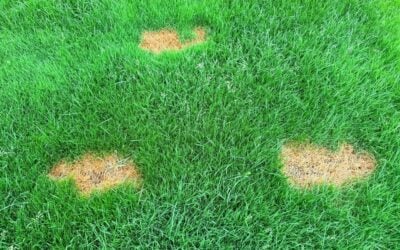
- Uneven watering creates brown spots alongside overwatered areas
- Clogged nozzles reduce coverage and leave dry patches
- Misaligned heads water sidewalks and driveways instead of grass
- Leaking valves run up your water bill without benefiting your lawn
- Controller malfunctions lead to overwatering or missed cycles
Regular maintenance catches these issues early, before they cause visible lawn damage or significant water waste.
According to the EPA, the average household with an irrigation system uses about 9,000 gallons of water per year for outdoor use. A poorly maintained system can waste up to 25,000 gallons annually through leaks, overspray, and inefficient scheduling.
Seasonal Irrigation Maintenance for Charlotte
Spring Startup (March – April)
After winter dormancy, your irrigation system needs a careful startup to avoid damage and ensure proper operation. In Charlotte, aim to complete your spring startup by mid-April, before warm-season grasses begin active growth.
Spring startup checklist:
- Inspect the backflow preventer for winter damage before turning on water
- Turn on water slowly to prevent pressure surges that can damage pipes
- Check each zone manually by running through all stations
- Look for leaks at heads, pipes, and connection points
- Clear debris from sprinkler heads and clean clogged nozzles
- Adjust head alignment so spray patterns cover intended areas
- Update controller schedule for spring watering needs
- Replace batteries in the controller to preserve programming during outages
When turning on your system for the first time in spring, open the main valve slowly—taking 30-60 seconds to reach full pressure. Rapid pressurization can cause “water hammer” that damages pipes and fittings.
Summer Monitoring (May – August)
Summer is when your irrigation system works hardest. Charlotte’s hot, humid conditions require consistent watering, but also create opportunities for problems to develop.
Monthly summer maintenance:
- Walk each zone while running to spot coverage gaps or broken heads
- Check for sunken heads that may be blocked by grass growth
- Verify spray patterns aren’t hitting houses, fences, or hardscapes
- Monitor water pressure—sudden changes indicate leaks or supply issues
- Adjust run times based on rainfall and temperature
- Inspect drip zones for clogged emitters if you have garden beds on the system
Summer watering best practices:
- Water between 4 AM and 8 AM to minimize evaporation
- Aim for 1 inch of water per week (including rainfall)
- Water deeply 2-3 times per week rather than lightly every day
- Skip watering after significant rainfall—install a rain sensor if you don’t have one
Watering in the evening keeps grass wet overnight, creating ideal conditions for fungal diseases like brown patch and dollar spot. Always schedule irrigation to finish before sunrise so grass blades dry quickly.
Fall Preparation (September – October)
As grass growth slows in fall, your irrigation needs decrease. This is the time to prepare your system for winter while ensuring your lawn gets adequate moisture heading into dormancy.
Fall maintenance tasks:
- Reduce watering frequency as temperatures cool—typically 50% less than summer
- Continue monitoring for leaks and addressing any developing issues
- Lower sprinkler heads that have risen above grade during summer
- Consider a system audit to identify efficiency improvements before winter
- Schedule winterization before the first hard freeze (typically late November in Charlotte)
Winter Shutdown (November – February)
Proper winterization is critical in Charlotte. While our winters are milder than northern states, temperatures regularly drop below freezing—and frozen water in pipes causes cracks that lead to expensive spring repairs.
Professional winterization includes:
- Shutting off the water supply to the irrigation system
- Blowing out all lines with compressed air to remove standing water
- Draining the backflow preventer and protecting it from freeze damage
- Insulating above-ground components if necessary
- Setting the controller to “off” or “rain” mode to prevent attempted watering
Don’t skip winterization in “mild” years. Even a single night below 28°F can freeze water in shallow pipes or the backflow preventer. The cost of winterization is a fraction of the repair bill for burst pipes.
Common Irrigation Problems and Solutions
Sprinkler Heads Not Popping Up
Causes: Low water pressure, debris in the head, damaged spring mechanism, or head buried by soil/thatch buildup.
Solutions: Check for leaks reducing pressure elsewhere in the zone. Clean the head and remove debris. If the spring is damaged, replace the head—they’re inexpensive and easy to swap.
Uneven Coverage or Dry Spots
Causes: Clogged nozzles, misaligned heads, incorrect nozzle sizing, or low pressure in specific zones.
Solutions: Clean nozzles with a small brush or replace if damaged. Adjust head alignment so spray patterns overlap properly. Verify all heads in a zone have matching precipitation rates.
Water Pooling or Runoff
Causes: Run times too long for soil absorption rate, broken head flooding an area, or drainage issues.
Solutions: Split run times into multiple shorter cycles with soak time between (cycle and soak). Check for broken heads creating localized flooding. Address grading or drainage issues separately from irrigation.
High Water Bills
Causes: Leaks in the system, stuck valves running continuously, programming errors, or inefficient coverage requiring excessive run times.
Solutions: Check your meter for continuous flow when irrigation should be off. Inspect valves for leaks or stuck-open conditions. Review controller programming for accidental double-watering or excessive run times.
Controller Won’t Run Programs
Causes: Dead backup battery erased programming, tripped circuit breaker, damaged wiring to valves, or failed controller.
Solutions: Replace the backup battery and reprogram. Check electrical connections and breakers. Test valve wiring with a multimeter. If the controller is old or damaged, consider upgrading to a smart controller.
When to Call a Professional
Some irrigation issues require professional diagnosis and repair:
- Main line leaks causing significant water loss or erosion
- Backflow preventer problems that require specialized testing and certification
- Valve failures that won’t respond to basic troubleshooting
- Wiring issues between controller and valves
- Pressure problems affecting the entire system
- System design issues causing persistent coverage problems
- Winterization requiring commercial air compressors
Our irrigation repair services handle everything from simple head replacements to complex valve and wiring repairs. We diagnose problems quickly and fix them right the first time.
Smart Irrigation Upgrades
If your irrigation system is more than 10 years old, consider these efficiency upgrades:
Smart Controllers
WiFi-enabled controllers adjust watering automatically based on weather data, soil moisture, and local evapotranspiration rates. They can reduce water usage by 20-50% compared to traditional timers.
Rain and Soil Moisture Sensors
These simple additions prevent watering when it’s unnecessary—after rain or when soil is already adequately moist.
High-Efficiency Nozzles
Rotating stream nozzles (like MP Rotators) apply water more slowly and evenly than traditional spray heads, reducing runoff and improving absorption.
Drip Conversion for Beds
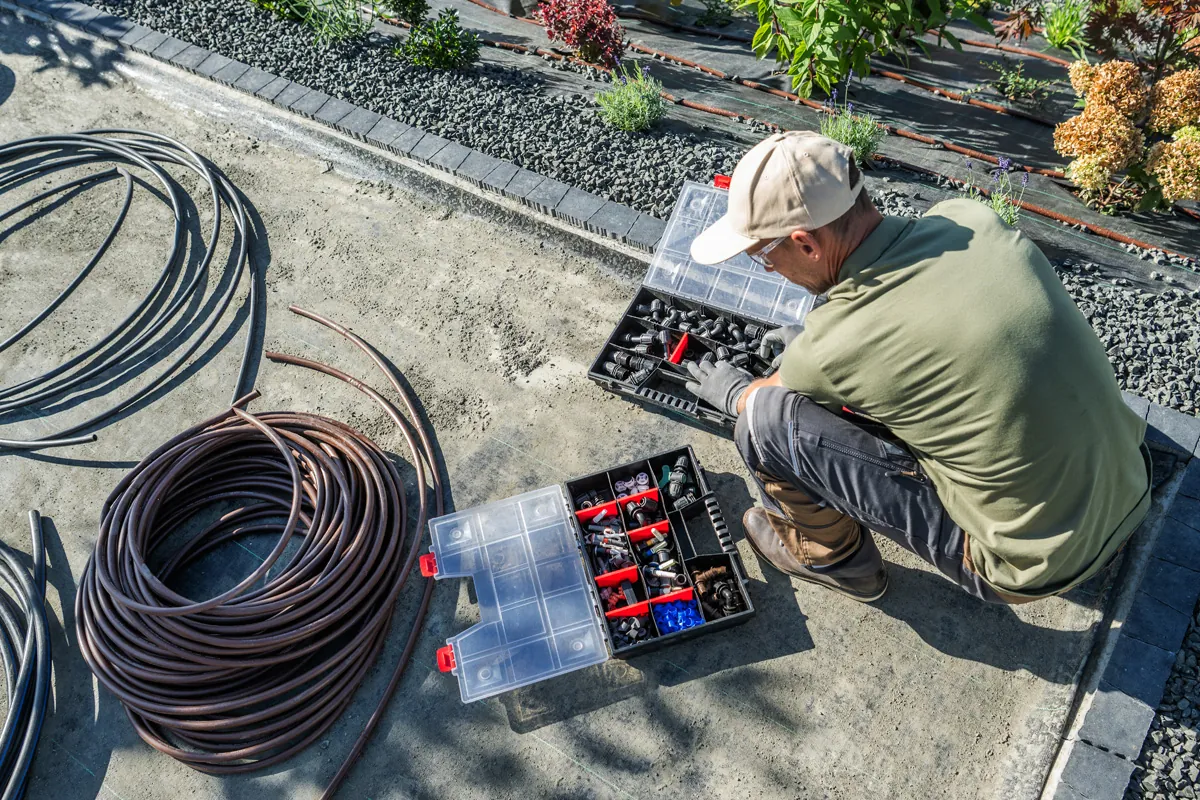
Converting flower beds and shrub areas from spray to drip irrigation delivers water directly to roots with minimal waste.
Charlotte-Mecklenburg Utilities offers rebates for certain irrigation efficiency upgrades, including smart controllers and rain sensors. Check their website for current programs before upgrading your system.
Professional Irrigation Services
Keeping your irrigation system in top condition doesn’t have to be complicated. Our irrigation program includes seasonal startups, winterization, and ongoing maintenance to keep your system running efficiently year-round.
Whether you need a spring startup, fall winterization, or repairs for a problem you’ve discovered, we’re here to help Charlotte homeowners protect their irrigation investment.
Schedule your spring startup and fall winterization early—these services book up quickly as temperatures change. Request a quote to get on our schedule before the seasonal rush.