
Poa Annua Control Charlotte, NC
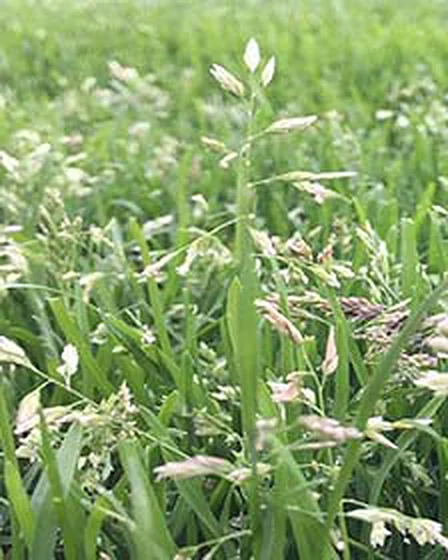
The Sneaky Weed That Looks Like Fescue
Poa annua (annual bluegrass) blends in with your fescue during fall and spring, making it nearly impossible to spot until it’s too late. By spring, it develops distinctive white seed heads—and when summer heat arrives, it dies off completely, leaving behind patchy bare spots throughout your lawn.
Disguises itself as healthy fescue during cooler months
Produces white seed heads in spring that spread rapidly
Dies in summer heat, leaving bare patches across your lawn
Extremely difficult to control with standard weed treatments
Returns year after year from seeds left in the soil
Signs of Poa Annua Damage & Prevention Timeline
Poa annua damage often goes unnoticed until summer bare patches appear. Here are the key signs and our recommended prevention timeline for Charlotte, NC fescue lawns.
• Fall and Winter: Light-green patches that blend in with your fescue.
• Late Spring: Distinctive white seed heads that spread seeds rapidly.
• Summer: Bare patches left behind when poa annua dies off in the heat.
Prevention Timeline: First treatment in mid-November (3-4 weeks after fall seeding), second treatment in mid-December for 30-day protection.
Two Targeted Treatments, Timed Just Right
Since you can’t use normal pre-emergent on fescue lawns in fall (it would prevent your overseeding from germinating), we use a specialized product that targets poa annua without harming your fescue. Applied at precisely the right time, it eliminates young poa that has germinated while preventing new seeds from sprouting for 30 days.
First treatment in mid-November, 3-4 weeks after fall seeding
Second treatment in mid-December for extended protection
Eliminates young poa annua that has already germinated
Prevents new poa seeds from sprouting for 30 days
Safe for your fescue lawn—won't interfere with fall seeding
For best results, combine with our fertilization and weed control program or our full lawn care service.
Is Poa Annua Control Right for Your Lawn?
This program is designed specifically for fescue lawns only. If you have a warm-season lawn (bermuda or zoysia), poa annua control is already included in your regular lawn care program—no additional treatment needed.
For fescue customers dealing with poa annua, this two-treatment program provides the targeted protection you need without interfering with your fall overseeding schedule. For more on how this weed behaves in North Carolina lawns, see NC State Extension’s guide to winter weed control and annual bluegrass.
How Poa Annua Control Works
Strategic timing is everything when it comes to stopping poa annua.
1
Fall Seeding First
You complete your fall overseeding as normal. We wait 3-4 weeks to ensure your new fescue seed has established before applying the first treatment.
2
Mid-November Treatment
We apply the first treatment to eliminate any young poa annua that has germinated and create a barrier preventing new seeds from sprouting.
3
Mid-December Treatment
The second treatment 25-30 days later extends protection through the critical germination window, keeping your lawn poa-free through winter.
Complete Your Fescue Lawn Care
Poa annua control works best as part of a comprehensive lawn care approach.
Poa Annua Questions Answered
What is poa annua and why is it such a problem?
Why can't I just use regular pre-emergent in fall?
When exactly are the treatments applied?
Do I need this if I have a bermuda or zoysia lawn?
Will this completely eliminate poa annua from my lawn?
Stop Poa Annua Before It Starts
Don’t let this sneaky weed leave your fescue lawn full of bare spots next summer. Our targeted two-treatment program gives your lawn the protection it needs.