
If you live in the Charlotte area, you’ve probably seen it: two lawns on the same street can look totally different by July. One is thick, green, and thriving. The other is thin, stressed, and battling weeds. Most of the time, the difference comes down to one decision—warm-season grass (Bermuda or Zoysia) vs. cool-season grass (Tall Fescue).
At FineTurf, we’re big believers in matching the grass to your yard and your goals. If you’ve been searching for charlotte lawn care or the best lawn care service, this guide will help you understand what actually works here—and why.
Why This Matters in Charlotte: The “Transition Zone” Problem
Charlotte sits in the transition zone, meaning we get hot, humid summers that punish cool-season turf, and winters cool enough to slow down warm-season turf. That’s why you’ll find both types across town—and why the “best lawn care” answer depends on sunlight, expectations, and maintenance style.
Before you choose a lawn care company or start a lawn treatment, identify your grass type. It determines your timing for lawn fertilization, weed control, and when (or if) you need lawn aeration.
Tall Fescue: The Classic Charlotte Lawn (If You Play the Seasons Right)
What Tall Fescue Is
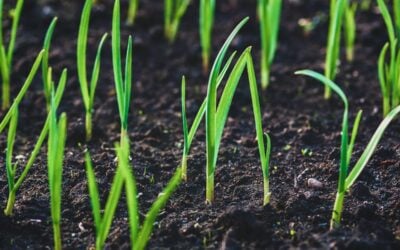
Tall fescue is a cool-season grass. It grows best in spring and fall, and it often stays green for most of the year with proper care.
Pros of Tall Fescue in Charlotte
- Stays green longer (often 9–10 months with good management)
- Better shade tolerance than warm-season turf in many yards
- Soft, lush look many homeowners want
- Responds well to fall improvements like aeration and overseeding
Cons of Tall Fescue in Charlotte
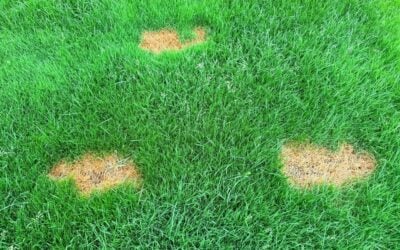
- Summer stress is the #1 issue. Heat + humidity can thin it quickly.
- More disease pressure during hot, wet stretches
- Doesn’t spread to repair itself—thin spots don’t “fill in” on their own
- Typically needs fall seeding to stay thick over time
The FineTurf Key for Fescue
If you want a fescue lawn to look good long-term in Charlotte, your foundation is fall work—especially lawn aeration and overseeding. It’s one of the highest-impact moves you can make for fescue.
Bottom line: If your lawn gets 4–6+ hours of sun but also has some shade, and you want greener turf through winter, tall fescue is often the best fit—with the right seasonal plan.
Warm-Season Grasses (Bermuda + Zoysia): Built for Charlotte Summers

What Warm-Season Turf Is
Bermuda and Zoysia are warm-season grasses. They love heat and sunshine and do their best growing in late spring through summer.
Pros of Warm-Season Lawns in Charlotte
- Thrive in the heat—summer is their season
- Handle traffic well (kids, dogs, active yards)
- Can spread and repair themselves, helping thin areas fill back in
- Dense growth helps reduce weeds once established (especially Zoysia)
Cons of Warm-Season Lawns in Charlotte
- Winter dormancy: they typically go brown late fall through early spring
- Sunlight is non-negotiable—shade leads to thinning and weeds
- Spring green-up can be slower than you’d expect
- They still need a real program: correct lawn fertilization timing and weed prevention
Bermuda vs. Zoysia (Quick Difference)
They’re similar, but here’s the simple breakdown:
- Bermuda = best for full sun and faster recovery
- Zoysia = denser “carpet” look and can handle a bit more shade (variety dependent), but can be slower to repair
Weed Control in Charlotte (Where Most People Get Frustrated)
A common reason people search for weed control in Charlotte is because weeds thrive in thin turf. That’s true for both fescue and warm-season lawns. If you’re looking for lawn treatment services, your plan should be grass-specific—not generic.
Bottom line: If your lawn gets 6–8+ hours of direct sun, warm-season turf is a strong long-term option—especially if your main frustration is how fescue struggles in summer.
Choosing the Right Grass: Use Sunlight First
If you only remember one thing, make it this:
- More shade / partial shade: Tall fescue
- Full sun all day: Bermuda or Zoysia
In Charlotte, sunlight drives everything. It’s also why homeowners end up searching for lawn care services—because the wrong grass for the conditions always turns into repeated problems.
Maintenance Differences: What You’re Signing Up For
Tall Fescue Maintenance (Charlotte)
- Fall focus: lawn aeration, overseeding, and soil improvement
- Fertilization mainly in spring/fall (not heavy summer pushing)
- Summer watering strategy to prevent decline
Warm-Season Maintenance (Charlotte)
- Fertilize during active growth (late spring/summer)
- Strong weed prevention timing (often what people mean by “lawn treatment”)
- Accept winter dormancy (or overseed for winter color if desired)
Common Mistakes We See (and Why People Search for Help)
Most lawn failures aren’t because the homeowner “did everything wrong.” It’s because the grass and plan didn’t match the yard.
- Bermuda in shade → thinning → weeds → frustration
- Fescue pushed hard in summer → disease and burnout
- Skipping fall aeration on fescue → compaction and thinning
- Missing weed prevention timing → searching for lawn care companies to fix it
When to Call a Pro
If you’re comparing lawn care services, ask one simple question: “Do you adjust the program based on grass type, sunlight, and season?” The best lawn treatment services don’t just apply products—they apply the right plan at the right time.
FAQ: Warm-Season vs. Fescue in Charlotte
Is tall fescue good for Charlotte?
Yes—especially for yards with partial shade and homeowners who want a greener lawn through winter. The key is fall overseeding and smart summer care.
Which is better: Bermuda or tall fescue?
Bermuda is usually better for full sun and summer performance. Tall fescue is better for year-round color and shade tolerance.
Does Zoysia do well in Charlotte?
Yes, if you have enough sun. It can look extremely dense and “high-end,” but it’s slower to repair and goes dormant in winter.
When should I do lawn aeration in Charlotte?
For tall fescue, fall is the prime window. That’s when core aeration has the biggest impact on your lawn’s health.
What’s the best way to reduce weeds?
A thick lawn is the best defense. Pair that with correct timing for weed prevention and grass-specific lawn fertilization and weed control.