
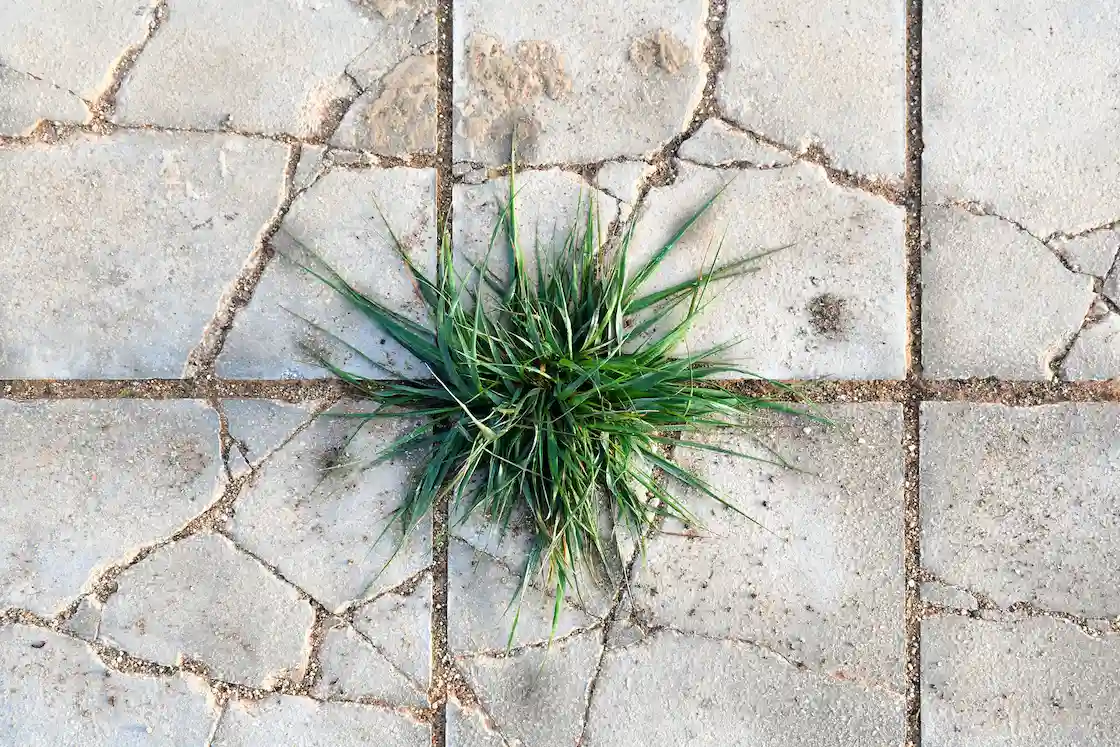
Crabgrass has a way of showing up right when you want your lawn to look its best. One week the yard looks fine, and the next you’re staring at light-green patches spreading low and fast. If you’re dealing with this around Charlotte, you’re not alone — it’s one of the most common reasons homeowners start searching for local lawn care or a dependable lawn service.
Here’s the encouraging truth: crabgrass doesn’t mean you’ve failed. It means the conditions were right for it to move in. With the right plan, you can stop it from taking over — this season and next.

Why Crabgrass Shows Up in Charlotte Lawns
Crabgrass is a warm-season annual weed. It germinates in spring when soil temperatures stay in the mid-50s for a stretch. By the time you notice it in late spring or early summer, it’s already established.
It thrives when turf is thin or stressed — a common issue in Charlotte lawn care because clay soils compact easily and summer heat ramps up fast.
Crabgrass pressure usually increases when:
- Turf is thin or bare, letting sunlight hit the soil
- Soil is compacted (a big reason lawn aeration helps)
- Mowing is too low, weakening the grass canopy
- Lawn fertilization is inconsistent, leaving turf underfed
- Spring prevention timing is missed
What Can We Do About Crabgrass? Start With Prevention
The most effective crabgrass strategy is prevention. The best lawn care service providers don’t wait for weeds to show up — they build a system that blocks them early.
Step 1: Pre-Emergent Lawn Treatment
A pre-emergent control product creates a barrier in the soil that prevents crabgrass seeds from establishing after they germinate. This is the foundation of most high-performing lawn treatment services.
Timing matters more than brand names. In Charlotte, warm weekends can fool you — air temperature swings don’t always match soil temperature. Professional lawn treatment companies track local conditions so protection goes down before crabgrass can root.
If you’re comparing lawn treatment companies, ask how they time crabgrass prevention. A strong answer should include soil temperature and seasonal planning — not just calendar dates.
If Crabgrass Is Already There, Don’t Panic
If crabgrass is visible now, the goal shifts from prevention to control — with realistic expectations. Post-emergent control products can reduce crabgrass, but results depend on plant maturity, coverage, and follow-up.
Step 2: Post-Emergent Control (When It’s Actively Growing)
Selective control products can target actively growing crabgrass while protecting desirable turf when used correctly. Younger crabgrass responds better; mature plants may require more than one application.
- Treat early for better control
- Expect follow-up visits when pressure is high
- Pair control with turf support (watering, mowing height, and nutrition)
The Long-Term Fix: Build a Lawn That Crowds Crabgrass Out
Crabgrass is an opportunist. It loves weak lawns. Long-term success comes from strengthening turf so it outcompetes weeds.
Lawn Fertilization That Supports Density
A consistent lawn fertilizer service helps grass grow thicker and develop stronger roots. That density is your best defense because it reduces bare soil where crabgrass can start.
Lawn Aeration for Compaction
Compaction is one of the biggest hidden drivers of crabgrass. A lawn aeration service relieves pressure in the soil, improves water movement, and gives roots room to grow. In many Charlotte yards, this is the difference between repeating the same weed battle every year and finally turning the corner.
Mowing Height and Watering Habits
Mowing too short invites crabgrass by exposing soil to sunlight. Keeping grass at the proper height shades the soil. For watering, aim for deeper, less frequent cycles that encourage roots rather than shallow daily sprinkles.
A good rule of thumb: water deeply 1–2 times per week rather than lightly every day. Deep watering builds deep roots — and deep-rooted turf is harder for crabgrass to outcompete.
A Simple Seasonal Game Plan for Charlotte Homeowners
Here’s a practical roadmap used by many top lawn care companies:
Late Winter / Early Spring
- Apply pre-emergent lawn treatment at the right time
- Start seasonal lawn fertilization and monitoring
Late Spring Through Summer
- Address crabgrass early with targeted control products
- Maintain proper mowing height and steady service visits
Fall
- Schedule lawn aeration service
- Overseed thin areas (especially for fescue lawns) to build density
Why FineTurf’s Approach Works
You’re the hero in this story — you want a yard you’re proud of without wasting weekends experimenting. Our job is to be the guide with a clear plan.
FineTurf is a local lawn care company built around systems: prevention first, then correction, then turf strength. Our lawn treatment services are designed for Charlotte conditions — and we pair weed control with the fundamentals that keep grass thick.
Frequently Asked Questions
When should crabgrass prevention start in Charlotte?
Usually late winter to early spring, before soil temperatures stay in the mid-50s. Timing can vary year to year, so monitoring matters.
Can crabgrass be controlled once it’s mature?
Yes, but mature crabgrass may require multiple treatments. Results improve when control is paired with lawn fertilization and proper mowing height.
Will crabgrass come back next year?
It often does if prevention is skipped. Crabgrass can leave behind thousands of seeds, which is why spring pre-emergent timing is so important.
Is lawn aeration worth it for crabgrass problems?
Often, yes. Compaction leads to thin turf, and thin turf invites weeds. Aeration helps roots grow and turf thicken, reducing space for crabgrass.
Ready to get ahead of crabgrass this season? Our lawn care program includes pre-emergent timing, targeted weed control, and the fertilization that keeps turf thick enough to fight back. Get a free quote to get started.


