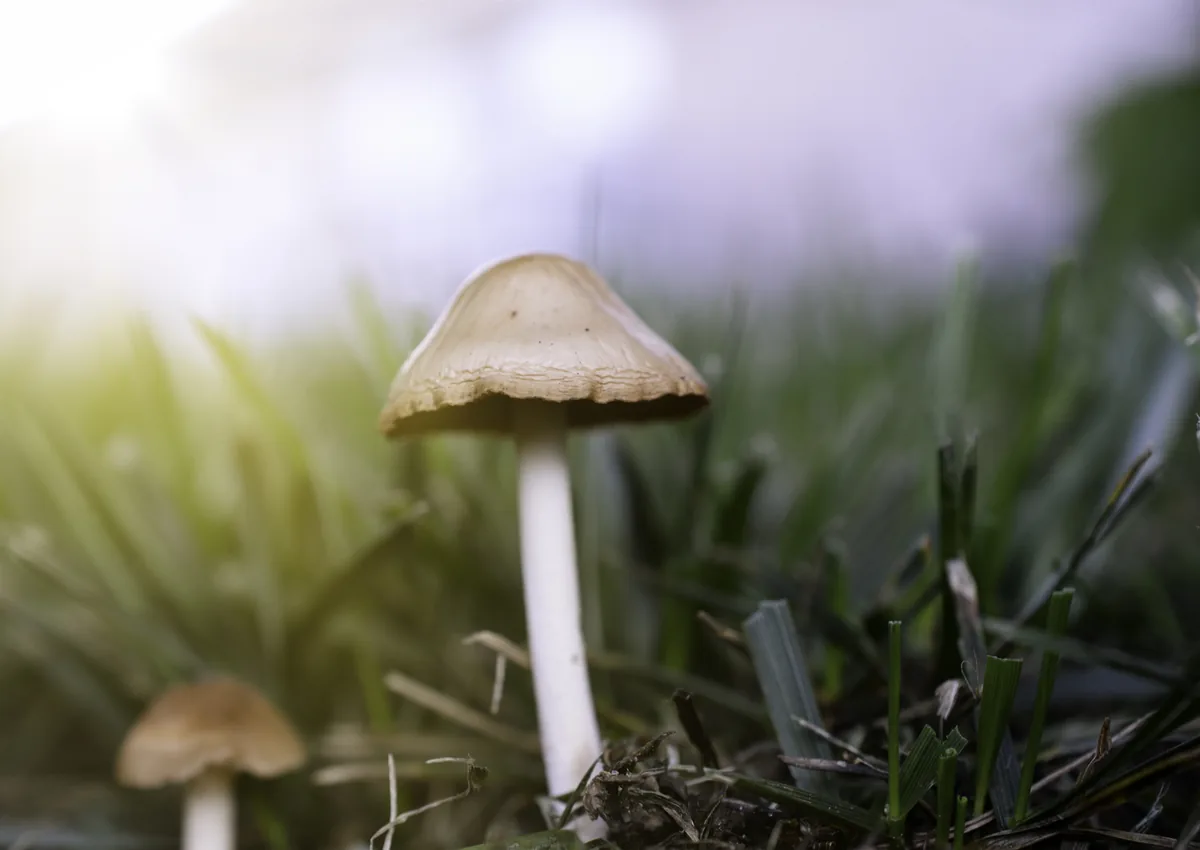
You walk outside after a rainy week, coffee in hand, expecting to enjoy your lawn—and suddenly you see mushrooms popping up across the yard.
Some are small and white. Some appear in clusters. Some show up overnight and seem to disappear just as fast. Your first thought may be, “Is something wrong with my lawn?”
The good news: mushrooms in your lawn are usually not a sign that your grass is dying. In many cases, they are a sign that your soil is active and full of organic matter. But they can still be frustrating, especially if you have children, pets, or a yard you want to look clean and well-maintained.
At FineTurf, we understand that you want a lawn you can feel proud of without guessing what every new lawn issue means. This guide will help you understand why mushrooms appear, what they are telling you, and what you can do about them.
Why Mushrooms Grow in Lawns
Mushrooms are the visible part of fungi living in the soil. Think of them like the fruit of a much larger underground system. The real activity is happening beneath the surface, where fungi break down organic material such as old roots, buried wood, thatch, leaves, and other natural debris.
When conditions are right, mushrooms appear above the lawn surface. Those conditions usually include:
- Excess moisture
- Shade
- Humid weather
- Decaying organic matter
- Poor drainage
- Heavy thatch
- Buried roots or old tree material
Mushrooms often show up after rain, irrigation, or extended cloudy weather. They may appear suddenly because fungi respond quickly when the environment becomes moist enough.
Are Mushrooms Bad for My Lawn?
In most cases, mushrooms are not bad for your lawn. In fact, they can be a sign that helpful soil organisms are doing their job.
Fungi help decompose organic matter and return nutrients to the soil. This process supports healthier soil over time. However, mushrooms can still be a concern for homeowners because they may be unattractive, slippery, or potentially unsafe if children or pets try to eat them.
The mushrooms themselves usually do not damage the grass. Instead, they are a symptom of conditions in the lawn or soil. If the lawn is staying too wet, has drainage problems, or has excessive organic buildup, those are the issues worth addressing.
Here is the key mindset shift: mushrooms are a symptom, not the disease. They are pointing to moisture, shade, thatch, or decaying organic matter under the surface. Fix those conditions and the mushrooms have far less reason to return.
Common Reasons Mushrooms Keep Coming Back
Too Much Moisture
The most common reason mushrooms grow in lawns is excess moisture. This can come from rainfall, overwatering, poor drainage, or irrigation running too often.
Warm, humid weather combined with wet soil creates ideal mushroom conditions. If your lawn stays damp for long periods, mushrooms are more likely to appear.
A lawn does need water to stay healthy, especially during hot weather. But too much water can create problems. If you notice mushrooms, soggy areas, or standing water, your lawn may be getting more moisture than it can use.
Shade and Limited Airflow
Mushrooms love shaded areas because those areas dry out more slowly. Lawns under trees, near fences, along the side of the house, or in low-light areas are more likely to stay damp.
Limited airflow can make this worse. When air cannot move across the lawn, moisture lingers on the soil surface. This creates a perfect environment for mushrooms.
Trimming low tree limbs, opening up dense landscaping, and improving sunlight exposure can help reduce mushroom activity in problem areas.
Decaying Organic Matter
Mushrooms feed on decomposing material. If there are old roots, buried wood, dead tree stumps, mulch, or heavy thatch under the soil, mushrooms may appear as fungi break those materials down.
This is especially common in yards where trees were removed. Even if the stump is gone, roots may remain underground for years. As those roots decay, mushrooms can continue to appear.
This does not always mean something is wrong. It often means the natural breakdown process is happening below the surface.
Heavy Thatch Buildup
Thatch is a layer of dead and living organic material that collects between the grass blades and the soil. A small amount of thatch is normal. Too much thatch can hold moisture and create an environment where mushrooms thrive.
Heavy thatch can also make it harder for water, air, and nutrients to reach the root zone. This can weaken the lawn and create other turf issues over time.
Core aeration can help reduce compaction and improve airflow into the soil. In some cases, dethatching may also be needed, depending on the grass type and the severity of the buildup.
Poor Drainage or Compacted Soil
If water cannot move through the soil properly, the lawn may stay wet longer than it should. Compacted soil is a common cause of poor drainage because it limits air and water movement.
Compaction often happens in high-traffic areas, where people, pets, or equipment regularly move across the lawn. Clay-heavy soils can also hold water and drain slowly.
When the soil stays wet, mushrooms have a better chance of appearing.
What Should You Do When Mushrooms Appear?
Remove Them by Hand
If mushrooms are bothering you visually or you are concerned about pets or children, you can remove them by hand. Wear gloves, pull them up, and throw them away.
Mowing over mushrooms may break them apart and spread spores, so hand removal is usually better when possible.
Removing mushrooms does not eliminate the underground fungi, but it can improve the appearance of the lawn and reduce the chance of accidental contact.
Adjust Your Watering
Review your irrigation schedule. Many lawns are watered too frequently, especially during periods of rain.
Instead of watering every day or every other day, most lawns perform better with deeper, less frequent watering. This encourages stronger roots and allows the soil surface to dry between watering cycles.
A good rule is to water based on what the lawn actually needs, not just a set schedule. Rainfall, temperature, soil type, shade, and season all matter.
Improve Sunlight and Air Movement
If mushrooms keep showing up in shady areas, look at what can be adjusted around the lawn.
You may be able to:
- Trim tree limbs
- Thin dense shrubs
- Remove excess leaf litter
- Reduce clutter along fence lines
- Improve airflow around shaded areas
Even small improvements in sunlight and airflow can help the lawn dry more evenly.
Address Drainage Problems
If mushrooms are appearing in low spots or soggy areas, drainage may be part of the problem.
Standing water, muddy soil, or areas that stay wet long after rain are signs that the lawn may need grading correction, soil improvement, or drainage solutions.
A lawn care professional can help identify whether the issue is surface water, compacted soil, irrigation, or something deeper.
Consider Aeration
Aeration can be one of the best ways to improve soil conditions. Core aeration removes small plugs of soil, allowing air, water, and nutrients to move more freely into the root zone.
For compacted lawns, aeration helps the soil breathe and reduces the wet, dense conditions that mushrooms prefer. It also supports stronger turf growth, which helps the lawn recover from stress.
Are Lawn Mushrooms Poisonous?
Some lawn mushrooms can be toxic if eaten, and it is difficult to identify which ones are safe just by looking at them.
Because of that, it is best to treat all mushrooms as something children and pets should avoid. Remove them quickly if your kids or pets spend time in the yard.
Do not rely on color, shape, or size to determine whether a mushroom is safe. When in doubt, remove and discard them.
Can Lawn Care Treatments Stop Mushrooms?
There is no simple lawn treatment that permanently stops mushrooms from appearing because the real source is usually underground organic matter and moisture.
The best approach is to improve the conditions that are causing mushrooms to appear. That may include better watering habits, improved drainage, aeration, thatch management, and more sunlight where possible.
Control products are not usually the first solution for mushrooms in home lawns because mushrooms are often tied to environmental conditions. Managing those conditions gives you a better long-term result.
When Should You Be Concerned?
Mushrooms by themselves are usually not a major lawn emergency. However, you should pay closer attention if you also notice:
- Grass thinning or dying in patches
- Areas that stay wet for days
- A strong odor from the soil
- Mushrooms growing in large rings
- Repeated growth near old tree roots
- Pets or children trying to eat them
Large rings of mushrooms may be related to a condition called fairy ring. Fairy ring can sometimes cause dark green circles, dead rings, or uneven growth in the turf. If you see circular patterns, it may be worth having the lawn inspected.
The Bottom Line: Mushrooms Are a Clue, Not the Main Problem
Mushrooms in your lawn can be annoying, but they are usually not the enemy. They are a clue.
They often point to moisture, shade, decaying organic material, thatch, or drainage concerns. Once you understand what is creating the right environment for mushrooms, you can start making changes that support a healthier, cleaner-looking lawn.
You are not expected to diagnose every lawn issue on your own. Your job is to enjoy your yard and feel confident in how it looks. A good lawn care partner can help you understand what is happening below the surface and guide you toward the right next step.
At FineTurf, we help homeowners identify the cause behind lawn issues—not just the symptom you see on top. If mushrooms are showing up in your lawn, we can help you determine whether it is normal seasonal activity or a sign that your lawn needs better soil, water, or turf management.
FAQ: Mushrooms in the Lawn
Why did mushrooms appear overnight?
Mushrooms can appear quickly after rain, irrigation, or humid weather. The fungi are already active underground, and the mushrooms show up when moisture and temperature conditions are right.
Do mushrooms mean my lawn is unhealthy?
Not usually. Mushrooms often mean there is organic matter breaking down in the soil. However, they may also indicate excess moisture, shade, thatch, or drainage problems.
Should I pull mushrooms out of my lawn?
Yes, especially if you have children or pets. Wear gloves, remove them by hand, and throw them away. This improves appearance and reduces accidental contact.
Will mowing remove mushrooms?
Mowing may knock mushrooms down, but it can also spread spores. Hand removal is usually better if mushrooms are a concern.
How do I prevent mushrooms from coming back?
Focus on reducing excess moisture, improving drainage, increasing sunlight and airflow, managing thatch, and aerating compacted soil. These steps address the conditions that mushrooms prefer.
Seeing mushrooms take over your yard after every rain? They are usually a sign of what is happening under the surface. Reach out for a lawn evaluation or grab a free quote and we will help you fix the conditions feeding them—not just the mushrooms on top.