If your lawn starts looking faded or brown during hot weather, it is easy to assume something serious is wrong. In many cases, however, the issue is heat stress. Because fescue is a cool-season grass, it often struggles during the summer months in Charlotte, NC.
High temperatures, intense sunlight, dry soil, and warm overnight conditions can push turf beyond its comfort zone. The result is a lawn that looks weak, wilted, and unhealthy.
The good news is that heat stress leaves visible clues. If you know what to watch for, you can catch the problem early and take the right steps to help your lawn recover.
At FineTurf, our lawn care company regularly helps homeowners identify and treat summer turf stress throughout the Charlotte area. Here is how to diagnose heat stress on your lawn.
What Is Heat Stress on a Lawn?
Heat stress occurs when grass experiences more heat than it can tolerate for an extended period. This is especially common during long stretches of hot weather with little rainfall and minimal overnight cooling.
When turf becomes stressed, it shifts into survival mode. Growth slows, color fades, blades begin to wilt, and the lawn may thin or turn brown.
For homeowners needing reliable lawn care in Charlotte, NC, understanding the difference between stress and disease is important before applying treatments.
Why Heat Stress Happens
Several environmental conditions contribute to lawn heat stress during the summer.
- High Temperatures: Long periods above 85 degrees place stress on grass blades and roots.
- Warm Nights: Grass naturally recovers overnight. When nighttime temperatures stay high, recovery becomes much more difficult.
- Dry or Compacted Soil: Compacted or dry soil limits the root system’s ability to absorb moisture and nutrients.
- Shallow Root Systems: Lawns with weak or shallow roots struggle faster because they can only pull water from the top layer of soil.
- Full Sun Exposure: Areas exposed to direct afternoon sunlight often show stress first.
- Foot Traffic and Wear: Pets, mowing, and heavy traffic increase stress on already weakened turf. During extreme heat, excessive traffic can quickly worsen lawn damage.
Common Signs of Heat Stress on a Lawn
The best way to diagnose heat stress is to look for multiple symptoms appearing at the same time.
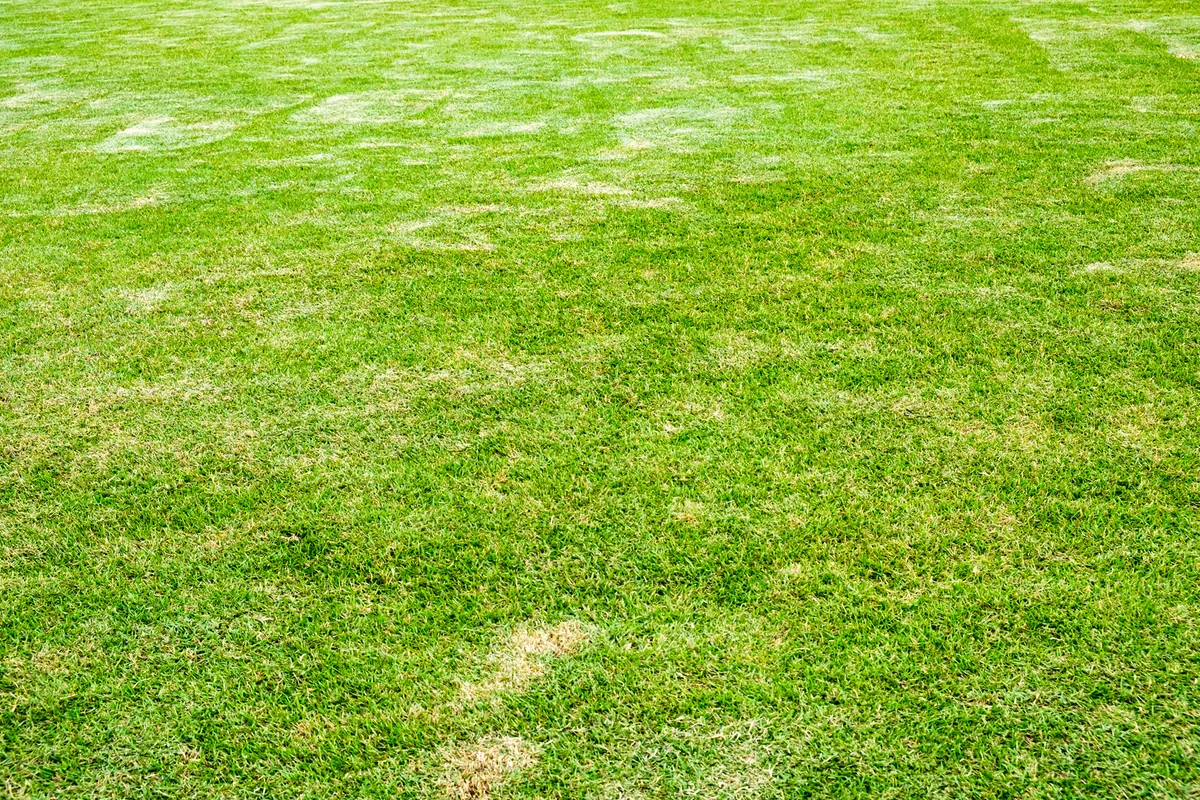
- 1. Faded or Dull Lawn Color: Instead of a healthy green, the lawn may start to look light green, gray-green, bluish-green, or washed out. This often happens before grass turns brown.
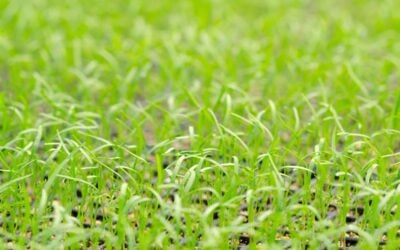
- 2. Wilted or Folded Grass Blades: Heat-stressed grass commonly curls, folds, or wilts. This is often referred to as “needling.” Instead of wide flat blades, the grass begins to resemble thin needles.
- 3. Footprints Remain Visible: Walk across the lawn and look behind you. If your footprints stay visible rather than springing back quickly, the turf likely lacks moisture and is under stress.
- 4. Dry or Brittle Texture: Healthy grass has flexibility. Heat-stressed turf often feels crunchy, dry, or weak underfoot.
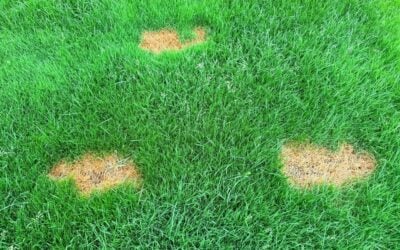
- 5. Brown Areas in Hot Spots: Damage usually appears first in the hottest areas of the yard, including:
- Slopes
- Areas near sidewalks or driveways
- Full-sun locations
- 6. Slower Growth: A stressed lawn often stops growing as quickly and the mowing frequency should be decreased.
How to Tell Heat Stress From Other Lawn Problems
Many homeowners confuse heat stress with lawn disease, irrigation issues, or insect damage. Proper diagnosis is critical because applying the wrong lawn treatment can create additional stress.
Heat stress typically appears:
- During extended heat and drought conditions
- In sunny or exposed areas first
- In broad irregular patterns instead of perfect circles
- Along with signs of dehydration
If the lawn improves after deep watering, heat stress is more likely than disease.
An experienced lawn care company can help determine whether your lawn needs irrigation adjustments, lawn fertilization, or a different lawn treatment plan.
The quickest tell: give a struggling area a deep, thorough watering. If it bounces back, you’re most likely looking at heat stress—not disease. If it keeps declining no matter how you water, it’s time for a closer look.
Simple Ways to Check Your Lawn
Before assuming the worst, try a few simple checks.
- Check the Soil: Push a screwdriver into the soil. If the ground feels extremely hard or compacted, the lawn may not be receiving enough water.
- Compare Sunny and Shaded Areas: If shaded sections of the lawn remain greener while sunny areas decline, heat stress is likely a major factor.
- Evaluate Irrigation Coverage: Uneven watering often causes one part of the lawn to dry out faster than another.
Common Lawn Care Misdiagnoses
One of the biggest mistakes homeowners make is assuming every brown patch requires chemicals or control products.
Heat stress is frequently mistaken for:
- Lawn disease
- Insect damage
- Fertilizer burn
- Permanent turf loss
That is why working with a knowledgeable lawn care company in Charlotte, NC matters. Correct diagnosis helps avoid unnecessary treatments and protects long-term turf health.
What to Do if Your Lawn Has Heat Stress
- Water Deeply: Water long enough to reach the root zone rather than just wetting the surface. During extreme heat, lawns may require watering 3 to 4 times per week.
- Avoid Mowing Too Short: Keeping the grass slightly taller helps shade the soil and reduce moisture loss.
- Reduce Lawn Traffic: Limit foot traffic on stressed areas to prevent additional turf damage.
- Support Lawn Recovery: Proper lawn fertilization and healthy soil conditions can help strengthen root systems and improve long-term resilience against heat stress.
- Call a Professional Lawn Care Service: If the lawn continues declining, spreads rapidly, or does not respond to watering, it is best to contact a professional lawn care company for an inspection.
A trusted lawn care provider in your area can determine whether the issue is heat stress, disease, insects, or irrigation-related.
The Bottom Line
Heat stress is one of the most common summertime lawn issues in Charlotte, NC. The biggest warning signs include:
- Color loss
- Curled grass blades
- Lingering footprints
- Dry texture
- Brown patches in sunny areas
The earlier heat stress is identified, the better chance your lawn has to recover successfully.
At FineTurf, we help homeowners diagnose lawn problems accurately and create customized lawn care solutions that protect turf throughout the summer season. Whether you need lawn fertilization, watering guidance, or ongoing lawn care service, our team is here to help.
FAQ
What does heat stress look like on a lawn?
Heat stress usually appears as faded grass color, curled blades, lingering footprints, dry texture, and brown areas in sunny locations.
Can heat stress look like lawn disease?
Yes. Heat stress can closely resemble lawn disease, which is why timing, weather conditions, and turf patterns are important during diagnosis.
Will a heat-stressed lawn recover?
In many cases, yes. If the root system remains healthy and the lawn receives proper watering and care, recovery is possible.
Should I treat heat stress with lawn products?
Not always. The first step should be to diagnose the real cause before applying products or treatments.
When should I call a lawn care company?
If your lawn continues worsening, spreads quickly, or you are unsure whether the issue is heat stress, disease, or irrigation-related, it is a good time to contact a professional lawn care company in Charlotte, NC.
Lawn looking crispy and you’re not sure if it’s heat, disease, or your irrigation slacking off? Don’t guess and treat the wrong thing. Reach out for an evaluation or grab a free quote and we’ll pinpoint what’s really going on.