Nutsedge Can Make a Good Lawn Look Messy Fast
You work hard to keep your lawn looking clean, green, and well cared for. Then, seemingly out of nowhere, bright green shoots start popping up above the rest of the grass. You mow, it looks better for a day or two, and then those same tall weeds are back again. If this sounds familiar, you may be dealing with nutsedge.
Nutsedge is one of the most frustrating lawn weeds for homeowners because it grows quickly, stands out visually, and does not respond the same way many common weeds do. It can also take years to significantly reduce because of the way it spreads underground.
The good news is that nutsedge can be managed with the right plan. You do not have to live with a lawn that looks uneven or out of control. But it is important to understand that nutsedge control is not a one-time fix. It requires consistent treatment, summer monitoring, and long-term population reduction.
At FineTurf, we understand how discouraging it can be when your lawn does not reflect the effort you put into it. Our job is to help identify the problem, explain why it is happening, and create a clear path toward a healthier lawn.
What Is Nutsedge?
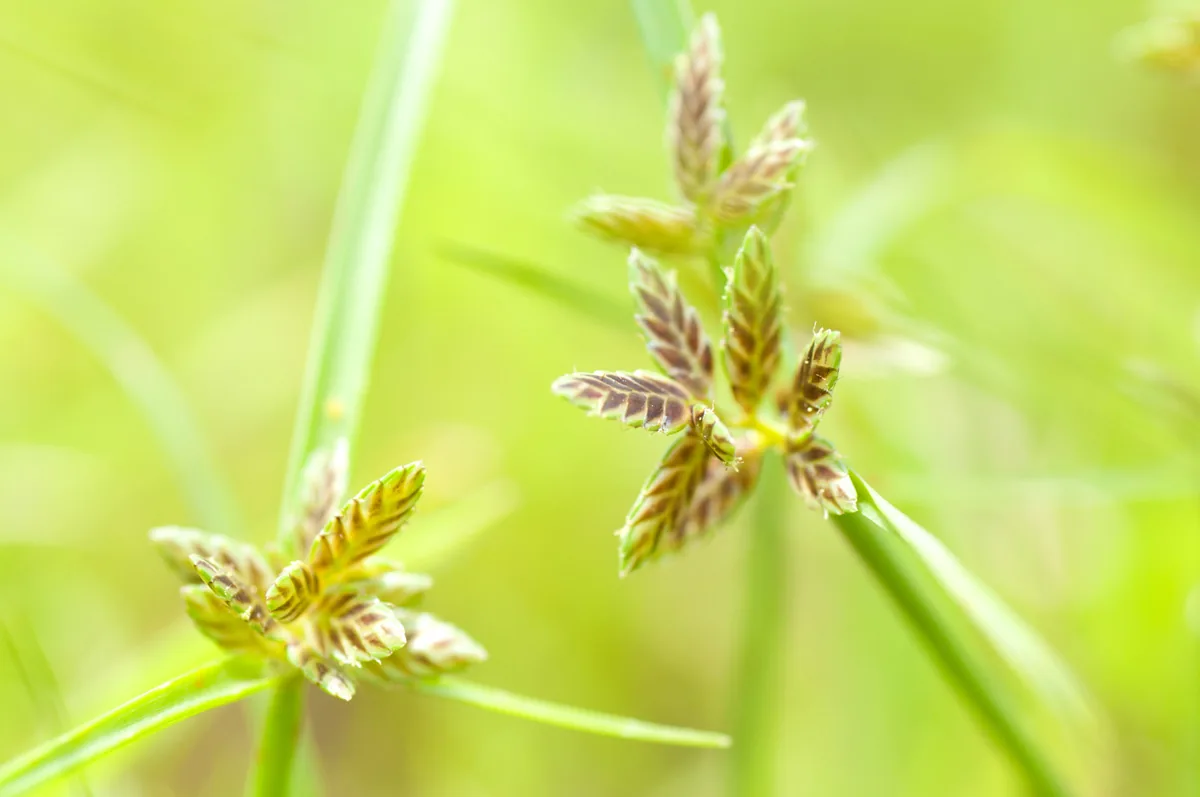
Nutsedge is often mistaken for grass, but it is not actually a grass. It is a sedge, which means it grows and spreads differently than typical lawn weeds. The two most common types found in lawns are yellow nutsedge and purple nutsedge.
Yellow nutsedge is more common in many residential lawns and often appears as a lighter, brighter green plant that grows faster than the surrounding turf. Purple nutsedge can be more aggressive and harder to manage once established.
One of the biggest reasons nutsedge is so difficult is that it spreads underground through small structures called nutlets. These nutlets store energy and allow the plant to regrow even after the visible top growth is removed. That is why mowing it down does not solve the problem.
How to Identify Nutsedge in Your Lawn
Correct identification is the first step. Nutsedge can look like grass from a distance, but there are several signs that help separate it from your turf.
It Grows Faster Than Grass
One of the clearest signs of nutsedge is how quickly it grows after mowing. You may cut your lawn and notice nutsedge sticking up again just a few days later.
It Has a Bright, Shiny Color
Nutsedge often appears lighter green, yellow-green, or shinier than the surrounding grass. This makes it especially noticeable in healthy lawns with darker turf.
It Has a Triangular Stem
A common saying is, “sedges have edges.” If you roll the stem between your fingers, it often feels triangular rather than round. This is one of the most reliable ways to tell nutsedge apart from grass.
It Often Shows Up in Wet Areas
Nutsedge thrives in moisture. If you see it near sprinkler heads, drainage areas, low spots, or places where water collects, excess moisture may be part of the issue.
Why Do I Have Nutsedge?
Nutsedge is not always a sign that you are doing something wrong. Sometimes it appears because the conditions are right for it to grow. However, certain lawn conditions make nutsedge more likely.
Too Much Water
Overwatering is one of the most common reasons nutsedge becomes a problem. Lawns that stay wet for long periods create the perfect environment for nutsedge to thrive. This may happen because of frequent irrigation, broken sprinkler heads, poor drainage, compacted soil, or low areas that hold water after rain.
Compacted Soil
When soil is compacted, water has a harder time moving through it. This can cause moisture to sit near the surface, creating conditions nutsedge likes. Compaction also weakens turf roots, making it harder for your grass to compete.
Thin or Stressed Turf
A thick lawn is one of the best defenses against weeds. When grass becomes thin due to heat stress, mowing too low, poor watering habits, disease pressure, or weak soil, nutsedge has more room to grow.
Soil Disturbance
Nutsedge may appear after grading, sod installation, drainage work, or landscape changes. Nutlets can already be present in the soil and begin growing when conditions become favorable.
Because nutsedge spreads underground and thrives in moisture, the fix is rarely a single product or a single visit. The most reliable results come from correctly identifying the weed, correcting the conditions feeding it, and staying consistent through the summer.
What Can We Do About Nutsedge?
Managing nutsedge requires a complete, long-term approach. The goal is not only to address what you see above the surface, but also to reduce the nutsedge population over time.
Step 1: Identify the Weed Correctly
Before taking action, make sure the weed is actually nutsedge. Since nutsedge is not a grass or a broadleaf weed, the wrong treatment approach can waste time and lead to poor results. A trained lawn care professional can inspect the plant, identify the type of nutsedge, and recommend the best plan based on your lawn conditions.
Step 2: Adjust Watering Practices
Because nutsedge loves moisture, irrigation should be reviewed carefully. Many homeowners water more often than their lawn actually needs. Look for signs of excess water, including soft soil, puddling, runoff, or areas that stay damp longer than the rest of the yard.
Irrigation heads should also be checked to make sure they are not leaking, clogged, tilted, or applying too much water in one spot. Healthy lawns usually perform better with deeper, less frequent watering instead of light watering every day.
Step 3: Improve Drainage Where Needed
If nutsedge is growing in the same wet areas year after year, drainage may need attention. Low spots, compacted soil, or poor water movement can keep the area too wet. Depending on the lawn, solutions may include correcting grading issues, improving soil structure, redirecting downspouts, or aerating compacted areas. Better drainage helps your turf and makes the lawn less inviting for nutsedge.
Step 4: Strengthen the Lawn
The healthier and thicker your lawn is, the better it can compete. Strong turf does not eliminate every weed, but it reduces open space and helps prevent weed pressure from taking over. Important lawn health practices include mowing at the proper height, feeding the lawn on a consistent schedule, watering correctly, and addressing stress before it spreads. For warm-season lawns like bermudagrass and zoysiagrass, proper mowing and fertility are especially important during the growing season.
Step 5: Use Targeted Nutsedge Control Products Consistently
Nutsedge requires a targeted control product designed specifically for sedges. Many general weed control products do not work well on nutsedge because it is biologically different from other weeds. Timing also matters. Nutsedge is best managed when it is actively growing, which is why summer treatments are so important.
At FineTurf, we spray for nutsedge during every visit in the summer because follow-up applications are always needed. This does not mean the first treatment failed. It means nutsedge has an underground survival system that requires repeated pressure. The goal is to reduce and manage the nutsedge population each year, not promise instant elimination.
After treatment, nutsedge may begin to yellow, weaken, and decline over time. However, more plants can continue to emerge from underground nutlets. Consistent summer applications help reduce visible growth while working toward long-term population decline.
Should You Pull Nutsedge by Hand?
Pulling nutsedge may seem like the fastest solution, but it can create frustration. If the underground nutlets remain in the soil, the plant can come back. In established patches, hand-pulling often removes the top growth while leaving the real problem underground.
For a few very young plants, careful removal may help. But for larger patches, a professional treatment plan is usually more effective.
Can Nutsedge Be Prevented?
Nutsedge cannot always be completely prevented, especially if nutlets are already in the soil. However, you can reduce future problems by improving the conditions in your lawn. The best prevention plan includes proper watering, dense turf, good drainage, and consistent summer nutsedge control.
Water Properly
Avoid watering too frequently. Make sure your irrigation system is applying water evenly and only when needed.
Keep Turf Thick
A dense lawn gives nutsedge fewer openings to spread. Proper mowing, feeding, and seasonal care all help build stronger turf.
Address Wet Areas Early
If one part of the lawn stays wet, do not ignore it. Correcting moisture issues early can reduce future nutsedge pressure.
Stay Consistent Each Summer
Because nutsedge grows aggressively during warm weather, summer is the key season for management. Repeated applications during summer visits help keep pressure on the plant and reduce the population over time.
Why Professional Lawn Care Helps
Nutsedge can be confusing because it looks like grass, grows fast, and keeps returning after mowing. You deserve a lawn care plan that does not rely on guesswork. FineTurf can help identify nutsedge, evaluate the conditions causing it, and apply the right control products at the right time.
More importantly, we look at the full picture: turf health, watering habits, drainage, mowing, and soil conditions. We also set the right expectations. Nutsedge is not usually eliminated in one season. In heavy infestations, it can take years to significantly reduce the population. That is why consistent treatment during each summer visit is such an important part of the plan.
You are the hero of your lawn. You want a yard that looks healthy, clean, and enjoyable. Nutsedge is simply an obstacle in the way. With the right guide and the right long-term plan, your lawn can move in the right direction year after year.
FAQ: What Can We Do About Nutsedge?
Is nutsedge the same as grass?
No. Nutsedge may look like grass, but it is a sedge. That is why it requires a different management approach.
Why does nutsedge grow back so fast?
Nutsedge grows from underground nutlets that store energy and allow the plant to regrow after mowing or removal.
Does mowing get rid of nutsedge?
No. Mowing only removes the visible top growth. Nutsedge usually grows back quickly.
How often does nutsedge need to be treated?
During the summer, follow-up applications are always needed. At FineTurf, we spray for nutsedge during every summer visit to reduce and manage the population over time.
How long does nutsedge control take?
Nutsedge takes patience. Heavy infestations can take years to significantly reduce because underground nutlets continue producing new growth. Consistent summer treatment helps reduce the population each year.
Seeing those fast-growing, triangular-stemmed shoots in your lawn? Do not wait for them to spread. Reach out for a nutsedge evaluation or grab a free quote and we will build a summer plan to push that population down year after year.