
Grub and Army Worm Control That Protects Your Lawn
Stop grub and army worms before they destroy your lawn. Our preventative treatments protect your turf when these pests are most active.
Included in Your Lawn Care Program
Preventative grub and army worm control is included in Treatment 4 of our lawn care program. This proactive application protects your lawn before these destructive pests can cause damage.
VIEW LAWN CARE PROGRAMS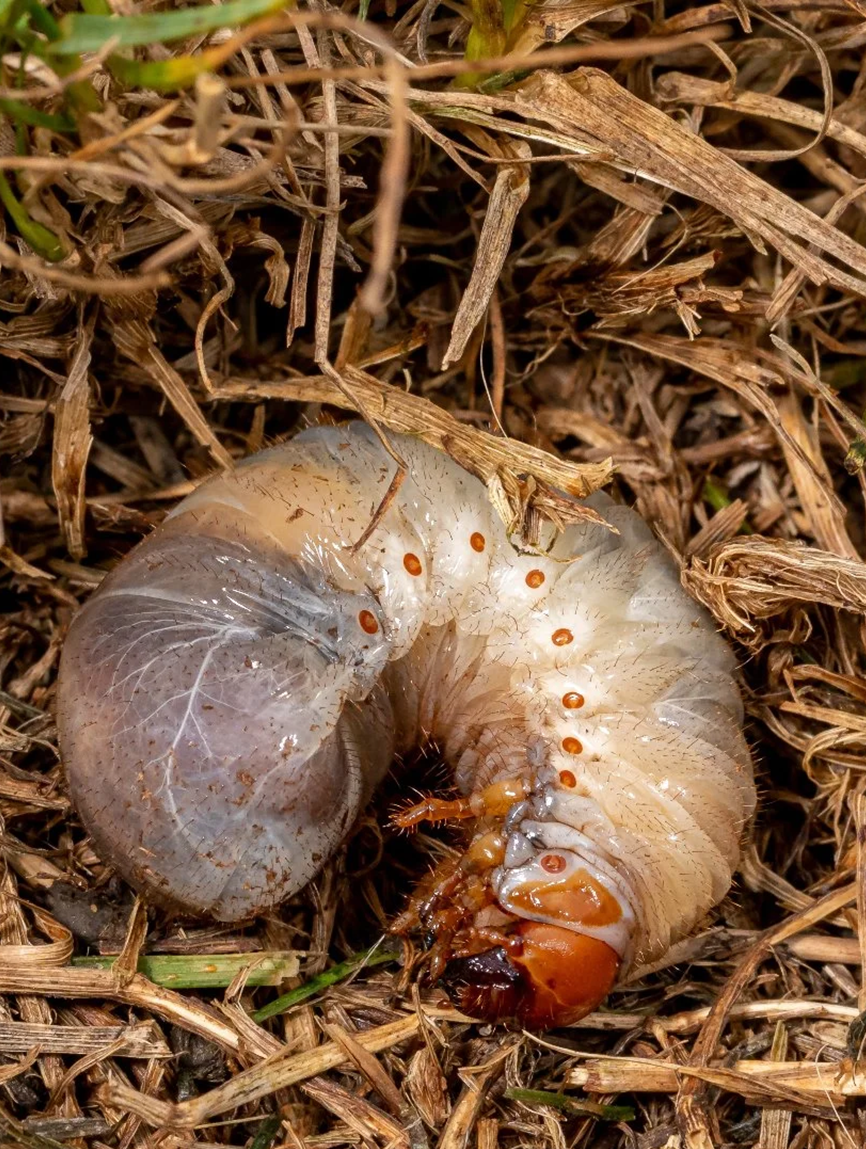
Hidden Pests Destroying Your Lawn
Grubs feed on grass roots underground while army worms devour grass blades above. By the time you notice the damage, significant destruction has already occurred. Charlotte’s climate makes lawns especially vulnerable to these pests.
Brown patches that peel back like carpet when pulled
Increased bird, skunk, or raccoon activity digging in your yard
Grass blades chewed down to the soil surface overnight
Spongy or soft feeling turf when you walk on it
Rapid lawn decline that spreads quickly across your yard
Fast Action When It Matters Most
FineTurf responds quickly to grub and army worm outbreaks. We identify the pest, determine the severity, and apply the right treatment to stop damage and protect the rest of your lawn. We also offer preventive treatments to stop problems before they start.
Accurate identification of grubs, army worms, or other pests
Professional-grade insecticides that work fast
Preventive treatments applied at the right time
Guidance on lawn recovery after pest damage
Ongoing monitoring to catch future outbreaks early
Common Lawn Pests in Charlotte
We identify and treat all major lawn-damaging insects found in the Charlotte area.
Grubs
- Japanese Beetle Larvae
- June Bug Larvae
- European Chafer
- Green June Beetle
- Masked Chafer
Caterpillars
- Fall Army Worm
- True Army Worm
- Sod Webworm
- Cutworms
- Black Cutworm
Other Pests
- Chinch Bugs
- Billbugs
- Mole Crickets
- Fire Ants
- Bermuda Mites
Recover From Pest Damage
After eliminating pests, these services help your lawn recover and prevent future infestations.
How FineTurf Works
When pests attack, speed matters. Here is how we protect your lawn from grubs and army worms.
1
We examine your lawn, check for grubs and surface-feeding pests, and determine the type and severity of infestation.
2
Apply Targeted Treatment
We apply the appropriate insecticide to eliminate the pests and stop the damage from spreading further.
3
Recover and Prevent
We recommend recovery steps and can apply preventive treatments to protect against future outbreaks.
Grub & Army Worm Questions Answered
How do I know if I have grubs in my lawn?
Look for brown patches of grass that pull up easily like carpet, or spongy soil that feels soft underfoot. Skunks and raccoons digging up patches of your lawn is often the first sign—they are hunting for grubs to eat. You can also dig up a small section of turf to check; six or more grubs per square foot typically requires treatment.
When is the best time to treat for grubs?
Preventative grub control is most effective when applied from June to July, before eggs hatch or while grubs are still small. This is why we include grub prevention in Treatment 3 of our lawn care program. Curative treatments for active infestations should be applied as soon as damage is noticed.
What are the signs of army worm damage?
Army worms can devastate a lawn in just 2-3 days. Look for small brown patches that spread rapidly, grass blades that appear ragged or chewed, or a transparent “windowpane” look where only the green layer has been eaten. You can detect them using the soap flush test—mix 2-3 tablespoons of dish soap in a gallon of water and pour it over a 3×3 foot area. Army worms will surface within a minute.
Will my lawn recover after grub or army worm damage?
Yes, in most cases your lawn can recover if the roots remain healthy. Army worms typically feed on the upper portion of grass plants, so the crowns can regrow with proper care. Prompt treatment combined with supplemental watering helps protect the roots and encourages recovery. Severe damage may require overseeding.
How many grubs per square foot is too many?
A healthy, well-maintained lawn can tolerate up to 5 grubs per square foot without visible damage. Six or more grubs per square foot typically causes noticeable problems and may need treatment in affected areas. Ten or more per square foot requires thorough treatment to prevent serious lawn damage.
When are army worms most active?
Army worms are most active during late summer and early fall, with peak damage typically occurring between August and October in the Charlotte area. They feed primarily in the late afternoon and evening hours, hiding under lawn debris during the day.
Suspect Grubs or Army Worms?
Do not wait until the damage spreads. Contact FineTurf for fast diagnosis and treatment that stops lawn-destroying pests in their tracks.