When winter hits, it’s normal to look at your yard and think, “Nothing’s growing… so why would I need treatments right now?” In Charlotte, we hear this every year—right about the time people start searching for local lawn care or lawn care services in my area.
Here’s the simple answer: cold weather slows the grass down, but it doesn’t pause what’s happening in the soil. Weeds are still planning, roots are still alive, and key timing windows are still moving. The best lawns in spring are almost always the lawns that stayed consistent through winter.
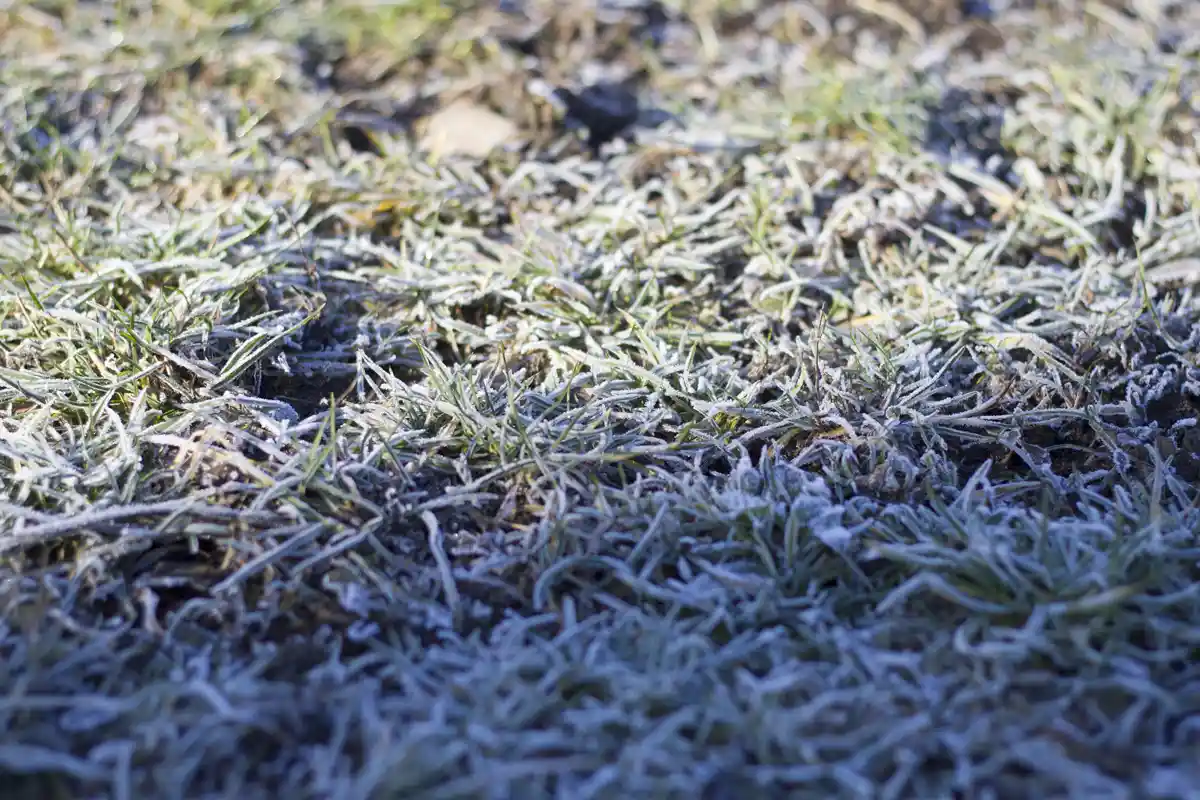
Cold Lawn ≠ Inactive Lawn
Your grass may not be pushing top growth, but your lawn’s “engine room” is still running: the soil. Moisture moves, microbes keep working, and roots take advantage of any mild stretch.
That’s why winter lawn treatment isn’t about forcing growth. It’s about building a foundation so your lawn can respond fast when spring arrives. For many Charlotte lawns, that foundation starts with smart lawn fertilization and a seasonal plan—not random applications or guesswork.

Consistent winter treatments build the foundation for a healthier spring lawn.
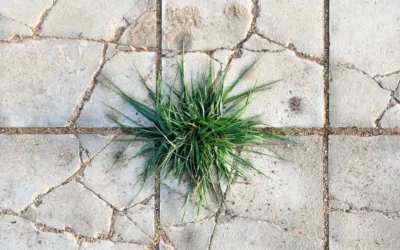
Winter Weeds Don’t Take a Vacation
A lot of weeds that frustrate homeowners in spring didn’t “show up overnight.” They started earlier—often in cooler weather—then waited for a warm stretch to reveal themselves. That’s why effective weed control programs are built around weed life cycles, not just what you can see from the driveway.
Even when turf is slow, weeds can steal moisture and nutrients. Getting ahead early helps keep your lawn cleaner (and easier) when the season turns.
Pre-Emergent: Your Early-Year Insurance Policy
One of the biggest reasons we treat “when it’s cold” is pre-emergent timing.
Pre-emergents help stop certain summer weeds (like crabgrass) before they germinate. Once those weeds sprout, you can control them, but you’re always playing defense. Pre-emergent is offense—setting a barrier in the soil that prevents the problem from starting.
In Charlotte lawn care, this timing window often arrives earlier than most people expect. If you wait until the yard looks active, you can miss the window and spend the rest of the season trying to catch up.
Pre-emergent works best when applied before soil temperatures consistently reach 55°F. In Charlotte, that window typically opens in late February to early March—while the lawn still looks dormant.
Slow-Release Granular Fertilizer: Feeding the Lawn When It’s Ready
Another reason winter treatments make sense: we’re often setting the stage with a slow-release granular fertilizer.
This is not about pushing growth in January. It’s about applying a product that releases gradually and becomes available as temperatures rise. When spring shows up, your turf doesn’t have to start from zero—it can tap into that steady supply and green up more smoothly.
Homeowners may call this a lawn fertilizer service, but what really matters is how and when nutrients are delivered. Slow-release options help:
- Support a steadier spring green-up
- Avoid the “flush and crash” from quick-release products
- Improve turf density over time
A thicker lawn is naturally better at crowding out weeds, which is why nutrition and prevention work best together.
Slow-release fertilizers feed your lawn over 6-8 weeks, delivering nutrients gradually instead of all at once. This reduces the risk of fertilizer burn and promotes healthier, more sustainable growth.
Timing Beats Temperature
The biggest misconception in lawn care is that treatments only matter when the grass is growing fast. In reality, the best lawn care service is built around timing.
A strong program accounts for turf type, soil temperature trends, weed cycles, and moisture—then applies the right products at the right time. That’s why reputable lawn treatment companies don’t wait for the first mowing: by then, many opportunities have passed.
Consistency also matters. One-off visits can help, but a complete lawn care service delivers better results because it stays aligned with the season.
What About Aeration?
We get asked about lawn aeration all the time—especially when people notice compaction or thin turf.
Aeration is powerful when it’s done in the right season and paired with the right follow-up. For many fescue lawns, fall is the prime window. For warm-season lawns, late spring and summer can be a better fit.
Winter is still the perfect time to plan your lawn aeration service. If you’re considering aerification lawn work this year, talk to your provider early so it’s timed correctly and not missed when the schedule fills.
Pairing core aeration with overseeding in fall is one of the most effective ways to thicken a fescue lawn. Planning during winter ensures you don’t miss the September-October window.
Choosing the Right Service in Charlotte
When homeowners compare lawn care companies, “lawn service” can mean very different things. Some companies only mow. Others offer lawn treatment services like fertilization and weed control. The best results usually come from a lawn care company that explains the plan clearly and tailors it to your turf.
If you’re evaluating lawn care services, ask:
- What’s the seasonal plan, and what results should I expect?
- Are you focused on prevention, not just reaction?
- Do you adjust for my grass type and conditions?
That’s the difference between average lawn care and the best lawn care—simple, consistent execution at the right times.
Bottom Line: Winter Treatments Are How You Win Spring
Cold weather doesn’t mean nothing is happening. It means the action is happening below the surface—in the soil, the roots, and the weed cycle.
The homeowners who get the best lawn care results aren’t the ones who start in March. They’re the ones who stayed consistent before spring arrived.
If you want a clear plan for your yard, FineTurf can explain what your lawn needs now, what’s coming next, and what results to expect—no fluff, just honest answers and reliable yard care services.
Request your free quote and let’s build a plan that works for your lawn.
FAQ
Is it a waste to do lawn fertilization when it’s cold?
Not when it’s planned correctly. Slow-release fertilizer can be applied so it feeds the grass once temperatures rise, supporting spring green-up.
What do pre-emergents actually do?
Pre-emergents help prevent certain weeds from germinating by creating a barrier in the soil. They work best when applied before seeds sprout.
When should I schedule lawn aeration?
For many Charlotte fescue lawns, fall is the prime window; warm-season lawns often benefit later in spring/summer. Plan early with your lawn care service.
What’s the difference between lawn service and lawn treatment?
Lawn service often refers to mowing. Lawn treatment generally refers to fertilization, weed control, and seasonal applications—make sure you’re comparing the same thing.