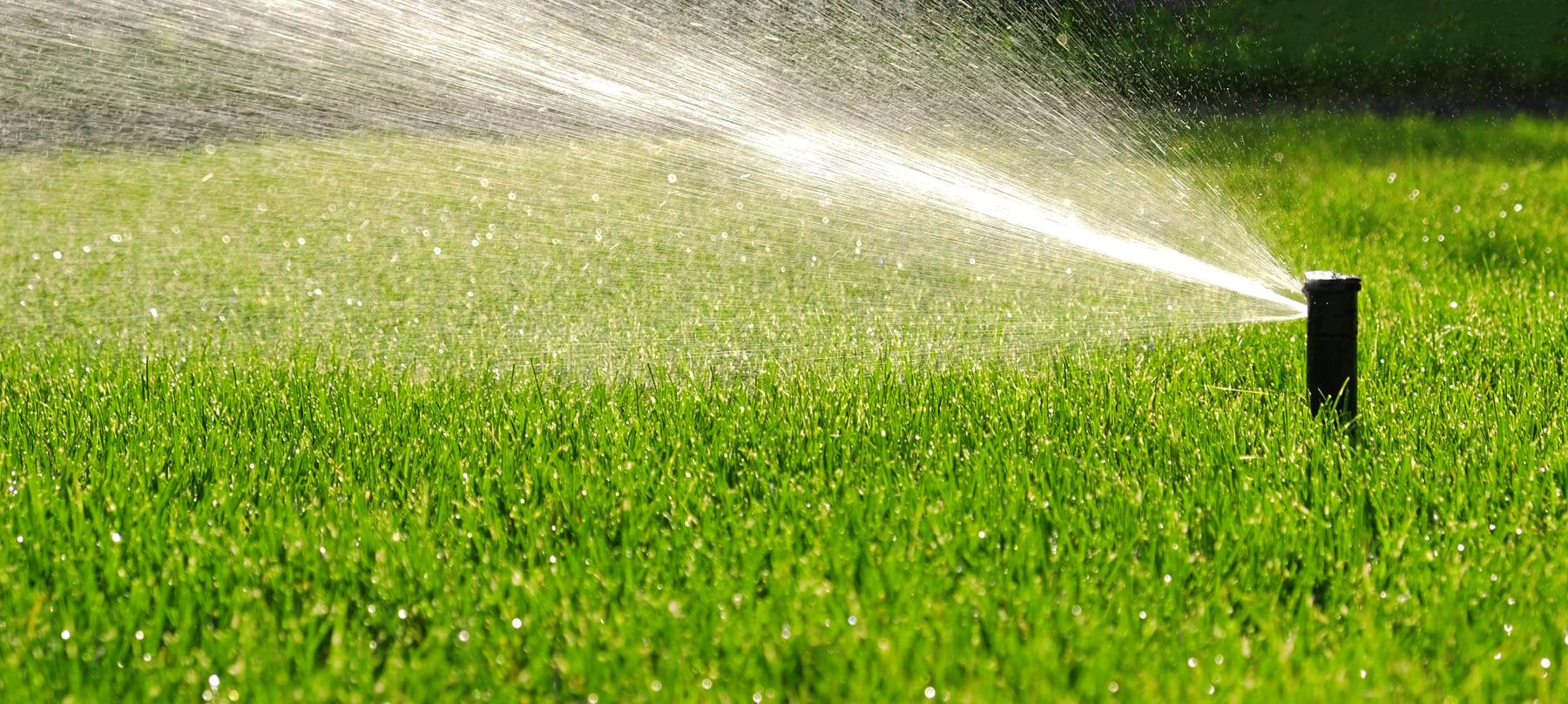
The best time to water your lawn in summer is early morning, between 3:00 a.m. and 7:00 a.m. Cooler temperatures mean less evaporation, calm air keeps sprinkler spray on target, and grass blades dry quickly once the sun rises, which keeps disease pressure down. Most Charlotte lawns need 1 to 1.5 inches of water per week, delivered in two to three deep sessions.
That's the short answer, here's the story behind it.
You're Doing Everything Right, So Why Is Your Lawn Struggling?
You mow on schedule. You edge the driveway. But every July, the Charlotte heat rolls in and your lawn sends distress signals anyway; dull color, crunchy footprints, thinning spots near the sidewalk.
Here's the good news: the problem usually isn't how much you care about your lawn. It's when and how you're watering it. At FineTurf, we've walked thousands of Charlotte-area lawns through brutal Piedmont summers, and watering timing is the single most common issue we find.
Why Is Early Morning the Best Time to Water?
Watering in that 3:00–7:00 a.m. window works for three reasons:
- Cooler temperatures mean less evaporation. More of the water you pay for actually reaches the roots instead of vanishing into the summer air.
- Calm morning winds keep spray on target. Midday breezes can push sprinkler coverage off your turf and onto your driveway.
- Grass blades dry quickly once the sun rises. More on why that matters next.
If your irrigation system has a timer, set it to finish as the sun comes up.
Why Does Evening Watering Backfire?
It's tempting, the workday is over, the heat has eased. But evening watering is one of the most common mistakes we see in Charlotte lawns.
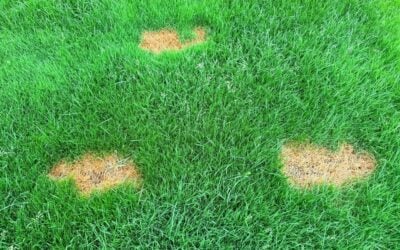
When grass stays wet overnight, moisture sits on the blades for eight to ten hours in warm, humid conditions. This is exactly the environment lawn diseases love. Brown patch, in particular, thrives in the Carolinas’ muggy summer nights and can tear through a fescue lawn in a matter of days.
If you've been watering at dusk and battling fungus anyway, you're not doing anything wrong, no one told you how disease pressure works in our climate. Shift to mornings and you remove the biggest risk factor overnight, literally.
How Much Water Does a Summer Lawn Actually Need?
Timing is half the equation. The other half is volume.
The 1-to-1.5 Inch Rule
Most Charlotte lawns need about 1 to 1.5 inches of water per week during summer, including rainfall. Fescue lawns tend to sit at the higher end of that range in July and August, while warm-season grasses like Bermuda and Zoysia also thrive on 1 to 1.5 inches per week, they're simply better equipped to handle the stress when water is scarce.
Water Deeply, Not Daily
Frequent shallow watering trains roots to stay near the surface, where they bake in the summer heat. Instead, water two to three times per week, deeply, so moisture soaks 4 to 6 inches into the soil. Deep roots are your lawn's built-in insurance policy against drought stress.
The Tuna Can Test
Set a few empty tuna cans (or any straight-sided containers) around the yard, run your system, and time how long it takes to collect about half an inch in each can. That's your baseline for each watering session.
How Can You Tell Your Lawn Is Thirsty?
Your lawn will signal when it needs water — if you know what to look for:
- Footprints that linger. Healthy, hydrated grass springs back. If your footprints stay visible, the blades are low on moisture.
- A dull, blue-gray tint. Drought-stressed turf loses its vibrant green before it ever turns brown.
- Folded or curled blades. Grass folds inward to conserve moisture, like closing the blinds on a hot day.
Catch these signals early and a deep morning watering will usually bring your lawn back within a day or two.
What If Watering Restrictions Limit Your Schedule?
Don't panic. Established lawns, especially warm-season varieties, can survive short dry spells by going semi-dormant. The turf may lose some color, but the crown of the plant stays alive and rebounds when regular moisture returns.
If watering restrictions only allow you to water two times a week, simply increase the amount of water during each irrigation event so your lawn still receives the required 1 to 1.5 inches weekly. The key is consistency when you can water, and avoiding the temptation to “catch up” with a marathon evening soak, which invites the disease problems above.
You Don't Have to Figure This Out Alone
Every lawn in the Charlotte area is a little different, soil type, sun exposure, grass variety, and irrigation coverage all change the math. If you've adjusted your watering and your lawn still isn't responding, that's often a sign of something deeper: compacted soil that needs core aeration, a nutrient gap, or disease pressure that calls for a targeted control product through our lawn disease control service.
That's where we come in. FineTurf's local specialists diagnose what your specific lawn needs and build a season-long lawn care program around it, so you can spend your summer weekends enjoying your yard instead of troubleshooting it.
Ready for a lawn that can handle a Carolina summer? Request your free FineTurf lawn evaluation today.
Frequently Asked Questions
What is the best time of day to water grass in summer?
Between 3:00 a.m. and 7:00 a.m. Early morning watering minimizes evaporation, ensures even coverage, and lets grass blades dry quickly, reducing disease risk.
Is it OK to water your lawn at night in summer?
No. Watering at night leaves grass wet for hours in warm, humid conditions, creating the ideal environment for fungal diseases like brown patch, which is especially aggressive in Charlotte-area fescue lawns.
How often should I water my lawn in the summer?
Water deeply two to three times per week rather than lightly every day. Aim for a total of 1 to 1.5 inches of water weekly, including rainfall, to encourage deep, drought-resistant roots.
Should I water my lawn every day when it's hot?
No — daily shallow watering encourages weak, shallow roots. Even in extreme heat, deep and infrequent watering builds a more resilient lawn.
How long should I run my sprinklers?
Use the tuna can test above to time how long your sprinklers take to deliver about half an inch, then run that length two to three times per week.