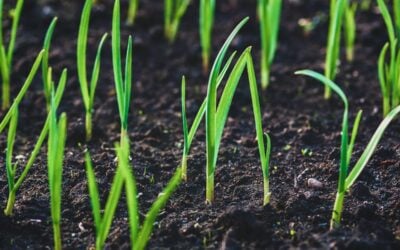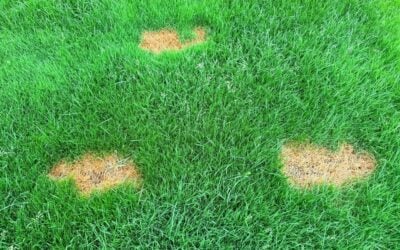
If part of your new seeding is greening up while the rest of the yard still looks bare, the seed probably did not fail. In Charlotte lawns, patchy germination almost always traces back to three things: uneven moisture, poor seed-to-soil contact, or seeding outside the fall window. Tall fescue also germinates on its own timeline, so some areas can trail one to two weeks behind the rest and still turn out beautifully.
You did the work. You bought good seed, you watered on schedule, and now you are standing in the yard wondering what went wrong. That frustration is fair, and it is usually fixable. After years of seeding fescue lawns across the Charlotte area, we can tell you that most seedings homeowners call failures are lawns where a condition or two needs correcting.
Is patchy germination normal, or did something go wrong?
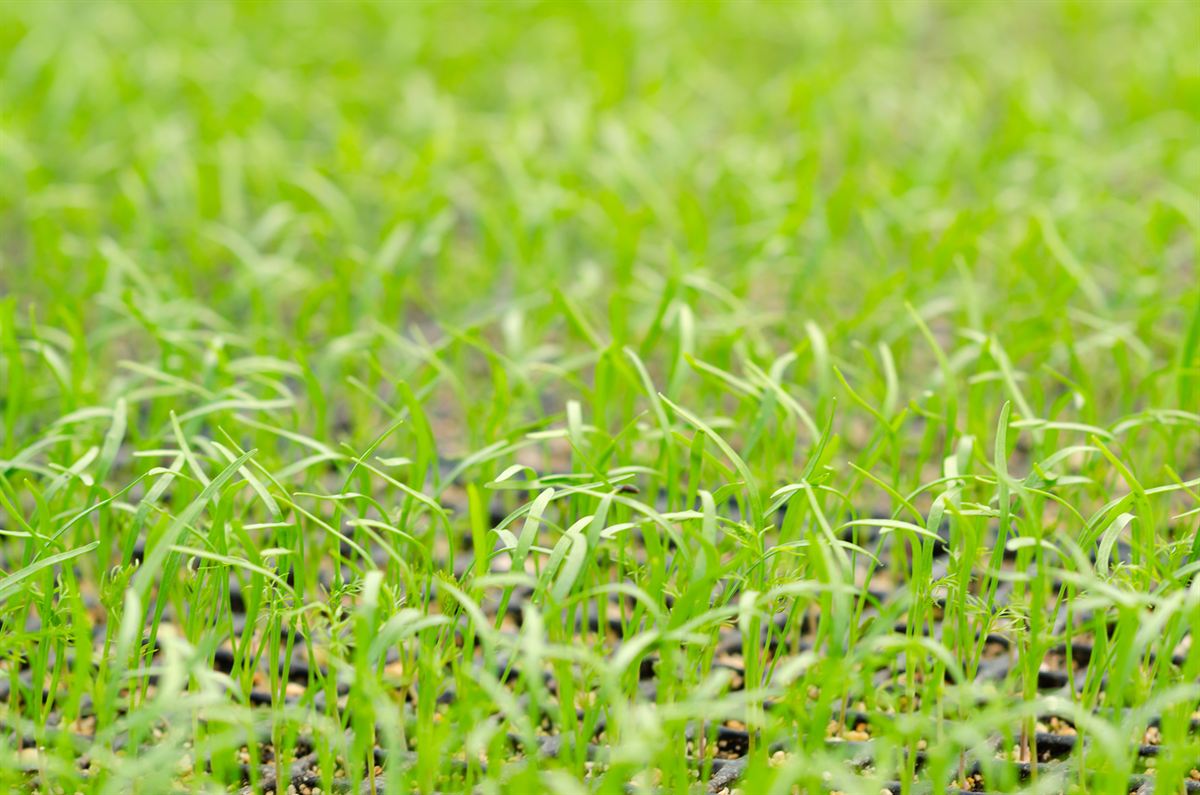
Some unevenness is normal. Tall fescue germinates in 7 to 21 days, and a quality blend holds several cultivars that sprout at different rates. Add soil that warms unevenly between sun and shade, and a two-week spread across one yard is common.
What is not normal is an area showing nothing after three full weeks while the turf around it filled in. That points to conditions, not seed.
Why does seed sprout in some spots and not others?
Did the seed actually reach the soil?
Seed sitting on thatch, leaves, or hard, compacted ground often sprouts and then dies because the root never finds soil. It is the most common cause we find in the field. Piedmont clay bakes hard through a Charlotte summer, and seed broadcast over an unprepared surface cannot anchor. Core aeration opens thousands of channels that hold seed, moisture, and soil together. If your lawn was seeded without aeration or slice seeding, spotty results are expected, not bad luck. Our aeration and seeding service is built around exactly this problem.
Did every part of the lawn stay evenly moist?
Germinating seed needs the top inch of soil damp at all times for two to three weeks, and no yard dries evenly. South-facing slopes, strips along driveways and retaining walls, and anything at the edge of sprinkler coverage dry hours before the rest. A seedling that dries out once, even for one hot afternoon, does not recover.
While seed is germinating, water lightly and often, two or three short cycles a day rather than one long soak. Once seedlings are up and mowed a few times, move to what established turf needs: 1 to 1.5 inches per week between 3 and 7 a.m.
Before you write off a thin area, walk it and push a finger into the soil. If the top inch is dry by mid-afternoon, that spot is a watering problem, not a seed problem, and it will keep failing until the coverage changes.
Could the timing be the problem?
In Charlotte, Matthews, Huntersville, and Fort Mill, the window for seeding tall fescue runs early September through mid-October. That lines up with soil temperatures in the 65 to 70 degree range, warm enough for quick germination and cool enough for roots to establish before winter.
Seed put down in late spring or summer faces the opposite conditions. It may germinate, but seedlings rarely survive July heat and Piedmont humidity. Seed sown in November may simply be dormant in cold soil rather than dead.
Could something in the soil be blocking germination?
A few conditions stop germination outright:
- Pre-emergent control products. Crabgrass pre-emergents prevent seedlings from establishing, and they cannot tell fescue from crabgrass. A spring application can remain active into early fall.
- Deep shade and tree roots. Under mature hardwoods, seedlings compete for light and water and usually lose. Those areas need shade-tolerant varieties and realistic expectations.
- Damping off. Warm, wet stretches bring fungal activity that kills seedlings at the soil line. If grass emerged and then thinned out, that is a disease question, and our disease control service can identify what is happening.
- Traffic. Dogs, kids, and wheelbarrows crush seedlings before they root.
What do we see in Charlotte lawns every fall?
The pattern repeats every year: strong germination through the middle of the yard, thin results along the driveway, under the maple, and on the slope by the street. Those are moisture and contact problems, and the same lawns fill in after aeration and a few irrigation adjustments. Homeowners also give up around day twelve. Fescue seeded in early October in Fort Mill is often still coming up at day twenty.
What should you do about the bare spots now?
Keep watering the whole lawn on the germination schedule until the slowest areas catch up, and give it a full 21 days before judging. Then reseed only the bare areas, loosening the top half inch of soil first so the seed has something to grab. A light starter feeding supports new seedlings, but hold off on weed control products until the new grass has been mowed three or four times.
If the same areas fail two years running, the cause is below the surface: compaction, drainage, or shade. Have it evaluated before you buy more seed.
Frequently asked questions
Why is my grass seed not coming up after two weeks?
Two weeks is still inside the normal range for tall fescue, so do not reseed yet. Use the time to check the three things that actually stop germination: whether the seed reached soil, whether that area stays moist all day, and whether a pre-emergent control product went down in spring.
How long should I wait before deciding the seed failed?
Give it 21 days from the seeding date with consistent moisture throughout. A cool stretch can push that to 28 days.
Can I reseed the bare spots right away?
Yes, as long as you are still inside the fall window. In the Charlotte area, seeding after early November leaves too little time for roots to establish before winter.
Will fertilizer make seed come up faster?
It will not speed germination, but a light starter feeding supports seedlings once they emerge. Heavy applications on young turf do more harm than good.
Ready to get an even, thick lawn next season?
You should not have to guess at why your lawn came in patchy. Our team walks Charlotte, Matthews, Huntersville, and Fort Mill lawns every week and knows what these soils do to new seed. Aeration, correct depth, right timing, and the preventative applications in our lawn care program are what turn a frustrating seeding into the lawn you pictured.
Request your free lawn evaluation with FineTurf today.
Still staring at bare patches and not sure whether to water longer or reseed? Don’t buy another bag before someone looks at the soil. Reach out for an evaluation or grab a free quote and we’ll get you on the fall seeding calendar.