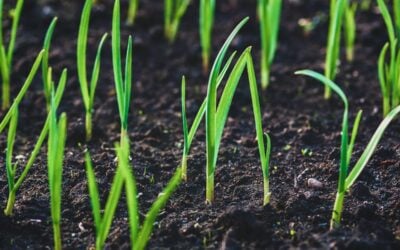
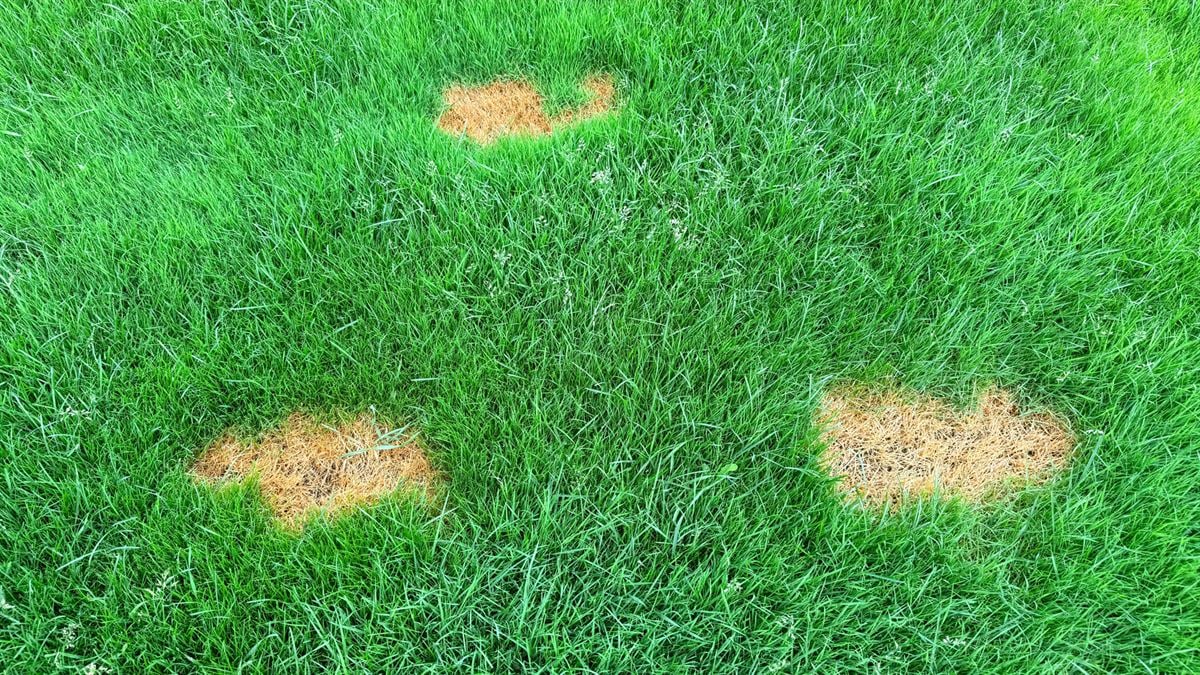
If your lawn is Bermuda or Zoysia, bare spots can close on their own during the warm season, roughly three to six weeks for a dinner-plate-sized spot in Bermuda and considerably longer in Zoysia. If your lawn is tall Fescue, those spots will not fill in on their own at all, because Fescue grows in bunches rather than spreading sideways. In the Charlotte area, Fescue bare spots stay open until they are seeded, and the reliable seeding window is September through October.
Why Won’t My Bare Spots Close on Their Own?
You have been watering. You have been mowing at the right height. And that thin patch by the driveway looks the way it did in June. That frustration is real, and it usually is not something you did wrong. Charlotte sits in the transition zone, so lawns in Matthews, Huntersville and Fort Mill run on three very different grasses, each with its own repair schedule.
Will Tall Fescue Fill In on Its Own?
Tall Fescue is the most common lawn grass in our service area, and it does not spread. Each plant grows upward from a single crown with no runners, so it cannot travel across four inches of bare soil to reach the next plant. Transplants from northern bluegrass country are often surprised. Once Fescue thins out, only new seed restores it.
How Fast Does Bermuda Fill In Bare Spots?
Bermuda repairs itself, and it is good at it. It sends out above-ground stolons and below-ground rhizomes, so it actively colonizes open ground. Once soil temperatures pass roughly 65 degrees, usually early May in the Piedmont, Bermuda starts running, and peak repair happens June through August. The catch is sunlight: Bermuda under a mature willow oak barely moves.
Why Is Zoysia So Slow to Fill In?
Zoysia also runs on stolons and rhizomes, but at a fraction of Bermuda’s pace. A spot Bermuda closes in a month can take Zoysia most of a season, sometimes two. Plugging is faster for anything larger than a foot across.
Not sure which of the three you are standing on? That one answer changes every timeline on this page, and it is the first thing we settle on a walkthrough.
How Long Should It Realistically Take?
Here is what to expect for a bare area about a foot across, assuming the cause is corrected:
- Bermuda, full sun, midsummer: three to six weeks
- Zoysia, full sun, midsummer: one full growing season, occasionally two
- Fescue, seeded in early fall: germination in 7 to 21 days, usable cover in four to six weeks, full density the following spring
- Any grass planted outside its window: unpredictable, and often a repeat next year
What Actually Caused the Bare Spot?
If the cause is still active, new grass fills the same spot and then dies in it. The edge tells us a lot on a site visit: a sharp, defined edge usually means something spilled or a pet, while a feathered edge with thinning turf around it points to disease or stress. The usual culprits in Piedmont lawns:
- Brown patch. Humid Charlotte nights plus Fescue is a reliable recipe. Circular thinning shows up June through August, and Fescue rarely recovers on its own. Preventative applications through a disease control program are what keep it from coming back.
- Insect damage. Fall armyworms can strip a section of lawn in a day. Grubs feed on roots, so damaged turf lifts like loose carpet when you tug it. Our lawn care program includes fall armyworm and grub control at no additional cost, because catching them before they feed is cheaper than reseeding after.
- Compacted clay. Our red clay packs down hard, especially in newer neighborhoods built on graded fill. Roots stall and turf thins along walkways and play areas.
- Shade and tree competition. Under established oaks, a lawn may get less than four hours of usable sun, and no amount of seed solves a light problem. Mature trees also pull water and nutrients out of the top few inches of soil, so turf in those areas competes on two fronts at once.
- Pet spots and irrigation gaps. Both leave small, regular patches that return each year.
Should I Just Throw Down Seed Now?
Timing decides the outcome. Spring seeding of Fescue here fails on schedule: the seedlings are still shallow-rooted when June heat arrives, so money spent in March is usually gone by July. Fall seeding gives roots two cool seasons before their first real summer, which is why our aeration and seeding service runs September through October. Aeration matters as much as the seed, because seed on compacted clay never makes soil contact.
Bermuda and Zoysia are different. In most home lawns they are not repaired with seed at all. You either give the turf what it needs to run, or you plug the area.
What Can You Do While You Wait?
- Water deeply and early. Aim for 1 to 1.5 inches per week between 3 and 7 a.m. If restrictions limit your days, add volume per session to hit the weekly total.
- Mow high and stay off it. Keep Fescue at 3.5 to 4 inches so the blades shade the soil, and reroute the dog, the trampoline and the shortcut to the mailbox.
- Treat new seed differently. Until germination, keep the top inch of soil moist with short cycles a day, then taper to the deep early-morning schedule.
Ready to Stop Watching That Spot?
You should not have to guess whether your lawn will recover. Our team walks the property, finds the cause and gives you a straight answer on timing. Schedule your free lawn evaluation and we will build a plan that closes the spots you have and prevents the next ones.
Frequently Asked Questions
Will bare spots in a Fescue lawn ever fill in on their own?
No. Tall Fescue has no runners, so it cannot spread into open ground. Surrounding plants may thicken slightly, but the spot stays until it is seeded.
Can I speed up how fast Bermuda fills in?
Yes, within limits. Give it direct sun, consistent water, a regular feeding schedule and relief from compaction. Bermuda runs fastest when it is not fighting hard soil.
Why do the same bare spots come back every year?
Because the cause was never addressed. Recurring damage usually traces back to disease pressure, insects, drainage or an irrigation gap. Repairing turf without fixing the source resets the clock.
Is midsummer too late to do anything?
Not at all. Summer is the time to diagnose the cause, manage disease and insect pressure, and prepare the soil so fall seeding takes. July decides how October goes.
Watching the same spot every summer and hoping this is the year it closes? Don’t buy another bag of seed first. Reach out for an evaluation or grab a free quote and we’ll tell you what is actually keeping it open.