Your Lawn Is Usually the First Warning Sign
Most homeowners do not notice irrigation problems when the system starts drifting. They notice it when the lawn starts showing symptoms.
A dry patch keeps coming back. One area looks too wet. Growth is uneven. The water bill jumps. Something feels off, but it is not always obvious what the actual problem is.
That can be frustrating because you are trying to take care of your lawn, not troubleshoot an irrigation system.
At FineTurf, we help homeowners spot these signs sooner. That matters because most irrigation problems do not start big. They start small, then quietly get worse until the lawn finally makes them visible.
The Good News: Your Lawn Gives You Clues
Irrigation systems usually do not fail all at once. They drift.
A head gets bumped. A nozzle clogs. Pressure changes. Coverage shifts. A leak develops. A zone starts running too long.
That means your lawn is often telling you something before the system completely breaks down. The key is knowing what to look for.
Why Irrigation Issues Are So Common in Charlotte
Charlotte conditions create a perfect environment for systems to fall out of sync over time.
- Long growing seasons
- Frequent irrigation demand
- Heat stress
- Heavy clay soils
- Weather swings
All of that means your system is under regular pressure, and even small inefficiencies can start affecting your lawn faster than you might expect.
The 3 Levels of Irrigation Problems
Not every issue is urgent, but every issue deserves attention.
Minor: Monitor Closely
- Slight color variation
- One area drying faster than another
- A small change in spray pattern
- A head not rotating quite right
At this stage, damage may not be obvious yet, but the system is beginning to drift.
Moderate: Fix Soon
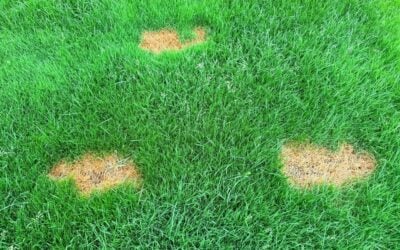
- Noticeable dry or thin areas
- Water spraying sidewalks or driveways
- Zones applying unevenly
- Areas staying wetter longer than others
This is the stage where many homeowners first realize something is off.
Urgent: Repair Now
- Standing water
- Large brown or declining patches
- Sudden spike in water bill
- Zones not shutting off properly
- Multiple heads not functioning
These are signs the system needs prompt attention.
The Most Common Signs Your System Needs Repairs
Dry or Brown Patches
If one part of the lawn is consistently dry while others look fine, the problem is often irrigation-related.
- Clogged nozzles
- Misaligned heads
- Poor pressure
- Incomplete coverage
Soggy or Mushy Areas
Too much water is just as damaging as too little.
- Leaks
- Broken heads
- Valve issues
- Poor drainage combined with too much water
Uneven Lawn Growth
If some areas are growing aggressively while others lag behind, your water distribution may not be balanced.
Water Hitting Hard Surfaces
When water is spraying sidewalks, driveways, or the street, that is wasted water and a sign coverage needs adjustment.
Higher Water Bill
If usage suddenly increases without a clear reason, hidden leaks or inefficient run times may be involved.
Sprinkler Heads Not Functioning Correctly
- Heads not popping up
- Heads sticking
- Uneven spray
- Water shooting too far or too short
These small mechanical issues often create bigger lawn issues over time.
The 5-Minute Irrigation Self-Check
You do not need to be an expert to catch many common problems.
Step 1: Run Each Zone
Turn the system on and watch one zone at a time.
Step 2: Watch the Heads
- Heads not rising
- Inconsistent spray
- Wrong direction
- Weak output
Step 3: Walk the Lawn
- Dry spots
- Soggy spots
- Soft ground
- Uneven moisture
Step 4: Look at Coverage
Ask whether water is reaching the turf evenly or missing sections.
Step 5: Review the Controller
Check whether the schedule still makes sense for the season and current weather.
This quick walkthrough catches more than most homeowners think.
Why Small Problems Become Expensive Problems
This is where homeowners get caught off guard. Irrigation issues often feel minor at first.
- Dry spots can become damaged patches
- Overwatered areas can weaken roots
- Lawn stress can increase
- Water waste adds up
- Repairs often grow larger
By the time the lawn looks obviously unhealthy, the problem has usually been around longer than it seems.
The preventative approach is almost always cheaper. Instead of waiting for lawn damage to make the problem obvious, regular checks help you identify issues while they are still manageable — reducing repair costs, preventing lawn decline, and improving irrigation efficiency.
The best-looking lawns are usually not the ones with perfect systems. They are the ones where problems get addressed early.
Why Irrigation Repairs Affect More Than Watering
This matters because irrigation influences the whole lawn care program.
- Lawn fertilization will not perform as intended
- Control products become less effective
- Grass struggles to build resilient roots
- Lawn consistency suffers
That is why irrigation repairs are not just about mechanical fixes. They are about protecting the results you want from your lawn.
Why Homeowners Trust FineTurf
We understand that homeowners are not looking for more complexity. You want a simple answer to a frustrating problem.
Our role is to help you read the signs, catch the issues early, and avoid bigger lawn problems down the line.
Frequently Asked Questions
How do I know if my irrigation system needs repairs?
Look for dry patches, soggy areas, uneven growth, misfiring heads, and unexpected increases in water use.
Can small irrigation issues wait?
Sometimes briefly, but they often get worse and become more expensive if ignored.
What is the biggest repair warning sign?
A sudden change in lawn appearance or water usage is a major clue.
How often should I check my system?
A few times each season is smart, especially during peak watering months.
Do irrigation repairs really affect lawn health that much?
Yes. Water delivery affects root health, consistency, and how well treatments perform.
Final Takeaway
If your lawn looks off, your irrigation system is one of the first places to check.
Most irrigation problems start small, but they rarely stay small. Spotting the signs early helps you protect your lawn, save water, and avoid repairs that grow into bigger problems than they needed to be.
Think your system might need attention? Our irrigation repair team can diagnose and fix the issue before it costs you more. Get a free quote and let’s take a look.