The best time to aerate your lawn in Charlotte depends on what type of grass you have. Tall fescue lawns should be aerated in fall, from September through October, while Bermuda and Zoysia lawns do best with aeration in late spring through summer, from May through July. Getting this window right is what determines whether your lawn bounces back stronger or struggles for months afterward.
If you have ever watched water pool on your lawn after a storm instead of soaking in, or wondered why your grass stays thin no matter how much you feed it, the answer is usually sitting right under your feet. Charlotte sits on heavy Cecil and Pacolet clay soils that compact hard under foot traffic, mower wheels, and our frequent summer downpours. Once that soil compacts, air, water, and nutrients cannot reach the root zone, and your lawn starts working against you instead of for you. It is a frustrating cycle, and you have not done anything wrong. You just have not had a chance to fix the soil underneath it yet.
Why Does Timing Matter So Much for Aeration?
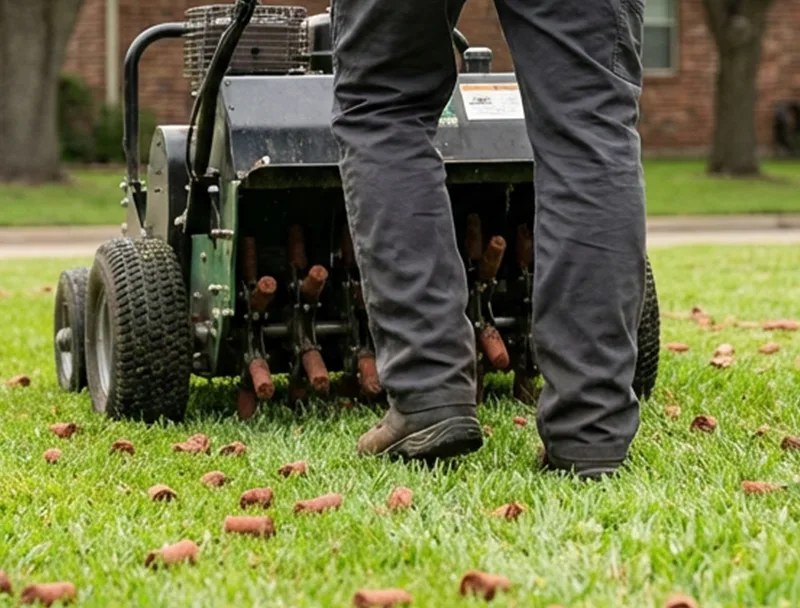
Aeration pulls small plugs of soil out of your lawn to open channels for air, water, and nutrients. That is a mild stress on the turf, even though the long-term benefit is significant. Aerate while the grass is actively growing and it heals the holes quickly, pushing new roots deeper into the loosened soil. Aerate during dormancy or heat stress and the lawn cannot recover as fast, leaving it open and vulnerable longer than it should be. Grass type drives the calendar here, not the other way around.
When Should You Aerate a Fescue Lawn in Charlotte?
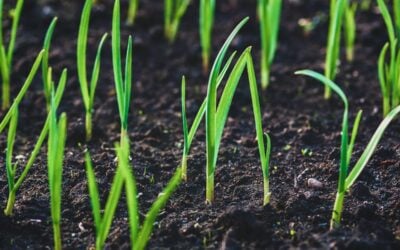
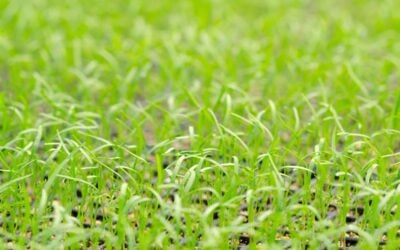
Fescue is the most common lawn type across Charlotte, and it is a cool-season grass, so its strongest growth happens in fall as temperatures drop. September through October is the ideal window. Soil temperatures are still warm enough for good root activity, air temperatures are cooling, and the grass is entering its most active growth period of the year. Aerating during this window lets fescue recover within a couple of weeks and head into winter with a deeper, stronger root system. It is also the best time to pair aeration with overseeding using fescue seed, since the holes give new seed direct soil contact, which improves germination.
When Should You Aerate Bermuda or Zoysia in Charlotte?
Bermuda and Zoysia are warm-season grasses, and they follow the opposite calendar. Aerate too early in spring while they are still greening up, or too late in fall as they head into dormancy, and recovery slows to a crawl. The right window is late spring through summer, roughly May through July, once the lawn is fully out of dormancy and growing vigorously. Aerating during this period lets Bermuda and Zoysia fill in the holes fast and take full advantage of summer’s growing season.
Quick way to tell which calendar you are on: fescue stays green through winter and thins out in summer heat. Bermuda and Zoysia green up late, thrive in the heat, and go tan and dormant once it cools. Green in January means aerate in fall; brown in January means aerate in early summer.
Why Does Charlotte’s Clay Soil Make Aeration Necessary Every Year?
Most of the Piedmont region, including Matthews, Huntersville, Fort Mill, and Concord, sits on dense clay subsoil that compacts under mowers, foot traffic, kids, pets, and heavy rain, and stays that way. In our experience walking hundreds of Charlotte yards, compacted clay is the single most common reason a lawn looks thin despite regular feeding. The nutrients are there, but the roots cannot reach them, which is why we recommend annual aeration for nearly every lawn we service, not just the ones that look obviously stressed.
What Happens If You Aerate at the Wrong Time?
Aerating a dormant or heat-stressed lawn does not undo the benefits, but it slows them down considerably. Fescue aerated in July sits with open holes through the hottest, driest stretch of the year, inviting weed pressure and moisture loss. Bermuda aerated in March, before it breaks dormancy, heals at a crawl. Timing is what turns aeration from a quick recovery into a multi-month struggle.
What Should You Do Before and After Aeration?
Before aeration, mow a bit shorter than usual and water a day or two ahead if the soil is dry, since slightly moist soil pulls cleaner plugs. Afterward, leave the soil plugs on the lawn. They break down naturally over two to three weeks and return organic matter to the soil. Water lightly to help moisture reach the new channels, and avoid heavy foot traffic for 24 to 48 hours. Fall aeration is also the ideal time to handle overseeding for fescue lawns, since seed makes direct contact with soil through the holes rather than sitting on top of thatch.
How FineTurf Approaches Aeration in Charlotte
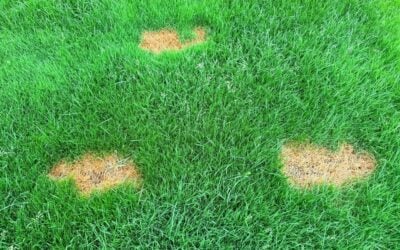
We schedule every aeration visit around your grass type’s growing window, not a generic calendar date. Every lawn gets a full double pass, with extra attention to high-traffic areas and edges where clay compacts hardest. Lawns on a full lawn care program tend to recover faster, since soil biology and nutrient levels are already in better shape going in. Our core aeration service pairs well with targeted follow-up care for thin spots or turf disease, so the whole lawn gets back on track.
Ready to give your lawn room to breathe? Request your free aeration quote from FineTurf today.
Frequently Asked Questions
How do I know what type of grass I have?
Fescue has a wide, dark green blade and stays green through winter. Bermuda has fine, dense blades and turns brown after the first frost. Zoysia is thicker, with a stiffer blade, and also goes dormant in winter.
Can I aerate and overseed at the same time?
Yes, for fescue lawns this is the best combination. Aerating right before overseeding in September or October gives grass seed direct soil contact through the holes, which improves germination compared to seeding on top of undisturbed turf. We do not recommend overseeding Bermuda or Zoysia lawns. Those grasses fill in bare and thin areas on their own as long as they get adequate moisture and sunlight.
How often should I aerate my Charlotte lawn?
Most lawns in the area benefit from aeration every year because our clay soils recompact quickly. Lawns with heavy foot traffic, pets, or recent construction disturbance may need it just as consistently.
Will aeration make my lawn look worse at first?
Your lawn will show soil plugs scattered across the surface for two to three weeks. This is normal and temporary. The plugs break down on their own and should not be raked up or bagged.
Does aeration replace fertilization or control products?
No. Aeration improves how well your soil absorbs water, nutrients, and control products, but it works best alongside a regular feeding program, not alone.
Not sure whether your lawn is fescue or a warm-season grass, or when your window opens? Reach out or grab a free quote and we will identify your grass type and put your aeration on the right calendar.